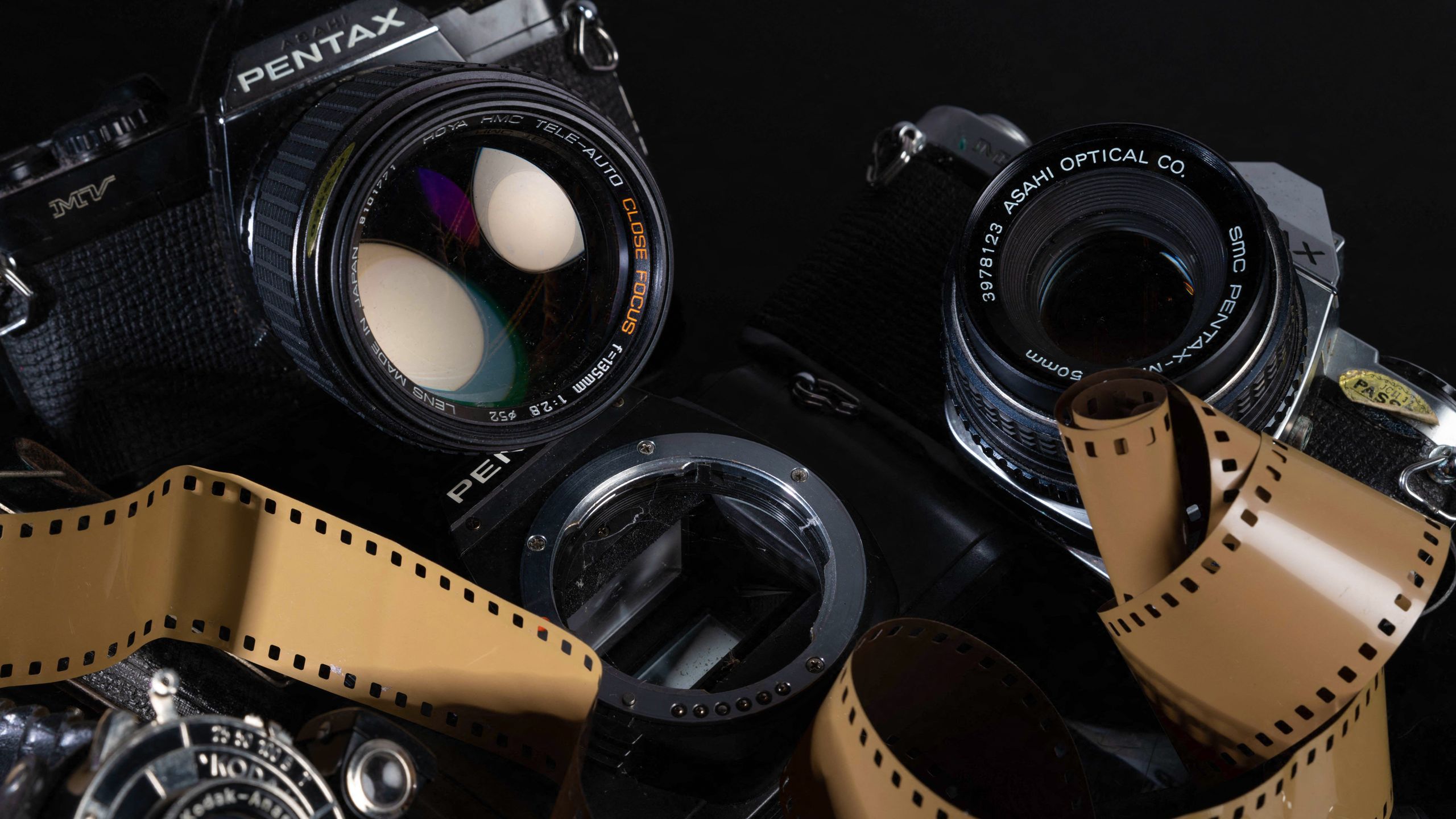
Pentax Film Camera Strategy Needs Mainstream 35mm SLR
Despite the rising popularity of 35mm film, the Pentax 17 film camera has seen slowing sales after initial curiosity waned.
Archive Edition
Adobe's latest Lightroom update introduces major enhancements to the Select Subject masking feature, improving edge detection for elements like wings and reflections. Elsewhere, Japanese photo industry body CIPA reports a 30% year-on-year decline in DSLR shipments and predicts a slowdown for mirrorless cameras in 2026, with large, full-frame models seeing the greatest slump. Separately, The MK Gallery's exhibition, "Jacques Henri Lartigue: Life in Color," reveals a significant body of color work by the renowned French photographer, much of which has remained unseen.
4 stories
Despite the rising popularity of 35mm film, the Pentax 17 film camera has seen slowing sales after initial curiosity waned.
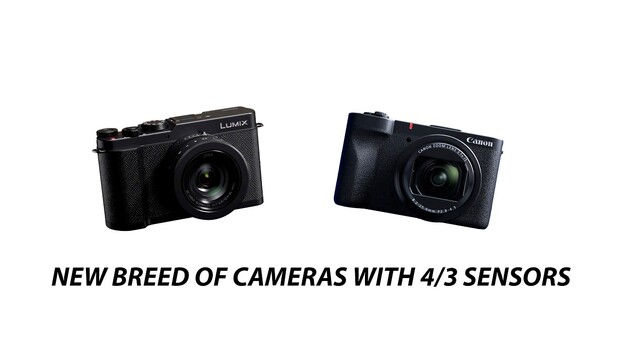
Jimmy Cheng advocates for Micro Four Thirds sensor cameras, dubbed 'creator cameras,' highlighting their compact size and versatility for stills, video, and social media content.

The video investigates why a specific camera has become the most sought-after in the world.
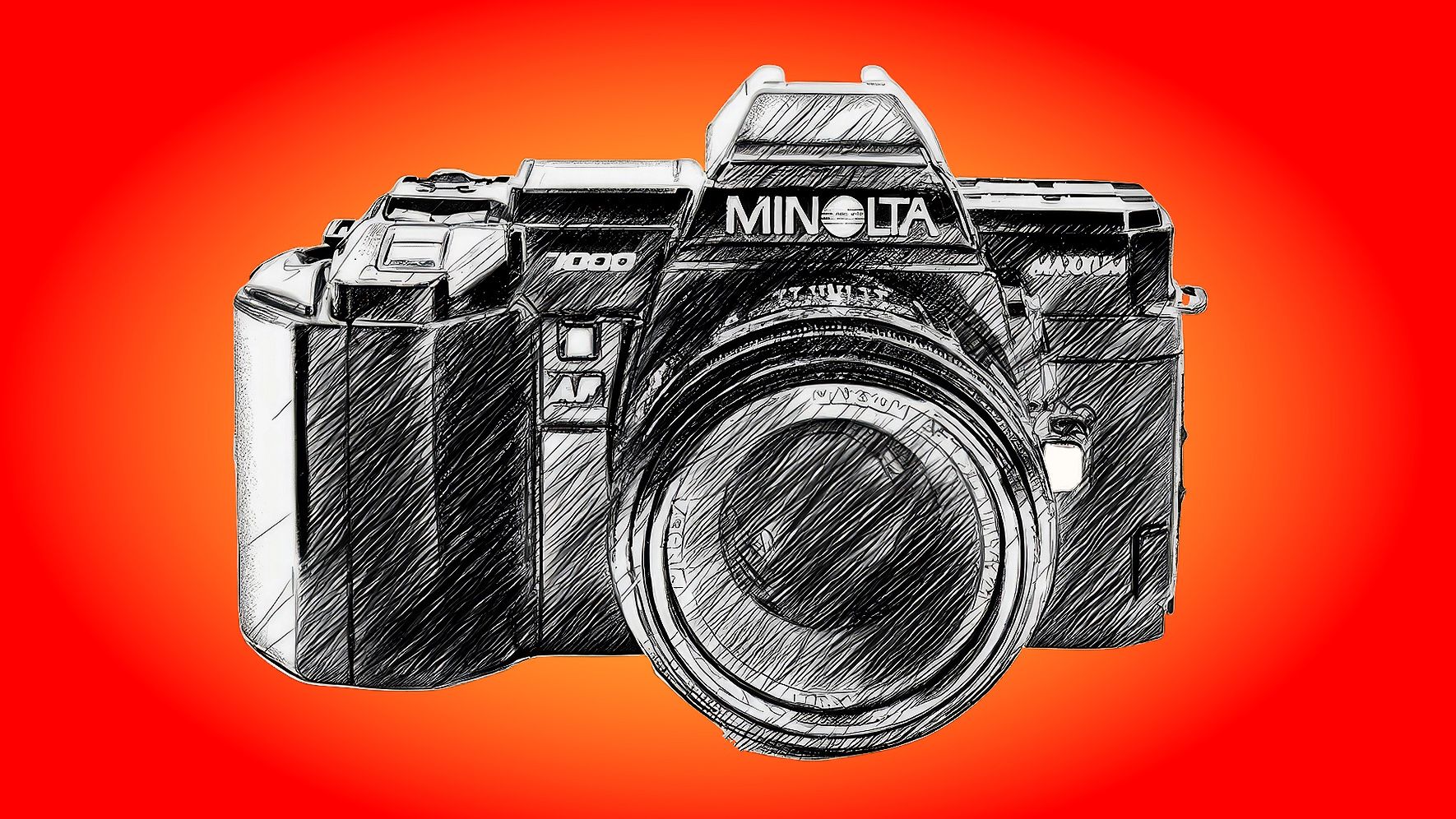
Leica developed autofocus technology as early as the 1950s, demonstrating working prototypes in the 1970s.
9 stories
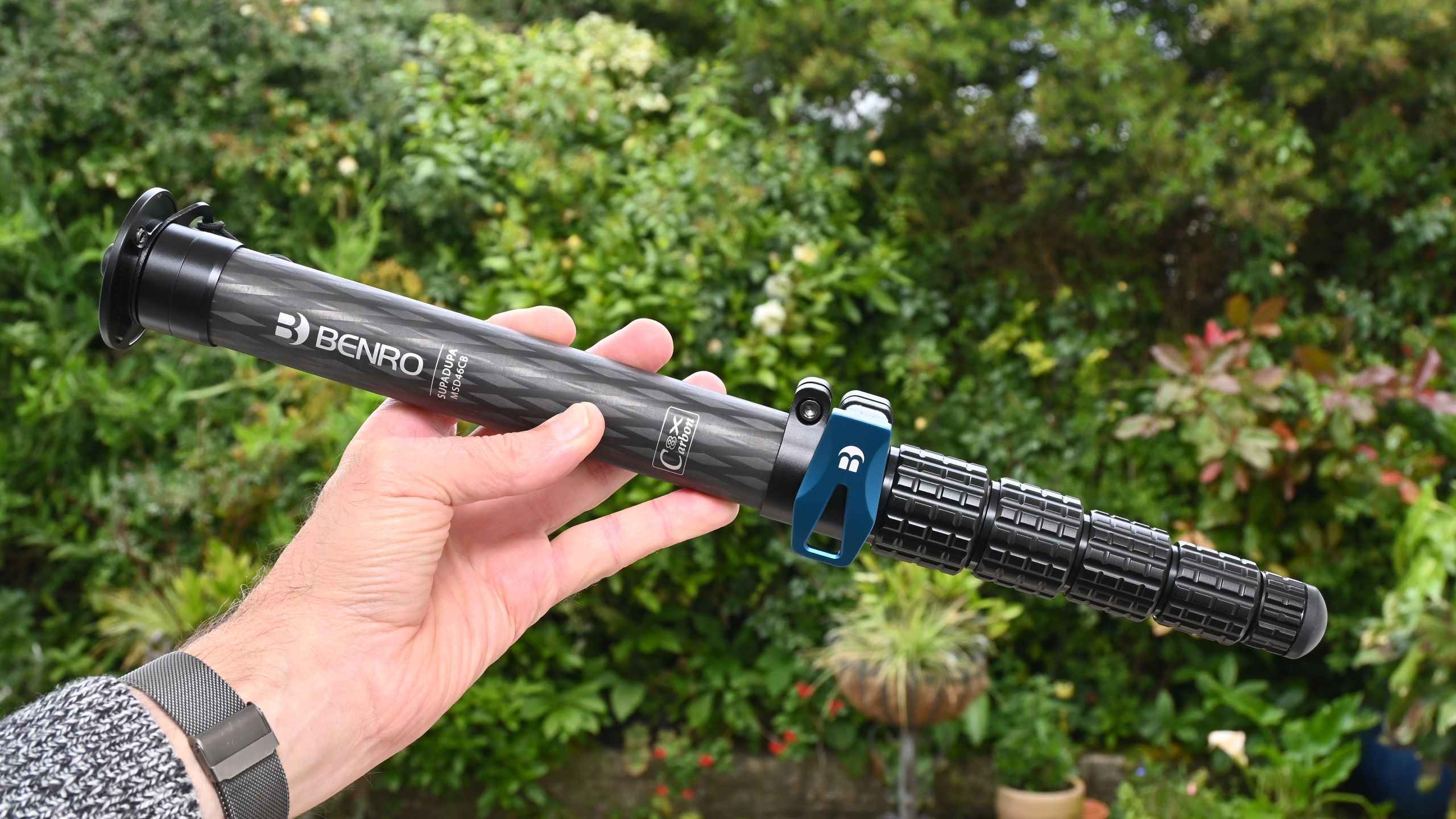
The Benro MSD46CB Black Diamond SupaDupa Monopod is constructed from 8-layer carbon fiber, making it both strong and lightweight at 0.58kg, with a substantial 40kg load rating.

Custom keyboard shortcuts in Adobe Premiere Pro can dramatically speed up editing workflows.

This video presents a direct comparison between the Lumix L10 and the Fujifilm X100VI cameras, conducted by Julia Trotti.

This video provides a practical guide for individuals considering the purchase of a used Leica Q2 camera.

Thomas J McClure has constructed what he describes as the ultimate vertical cinema rig for the Fujifilm XM5...

Camera Conspiracies has detailed seven specific disadvantages of the Insta360 Luna Ultra camera.

Adobe's latest Lightroom update introduces major enhancements to the Select Subject masking feature, improving...
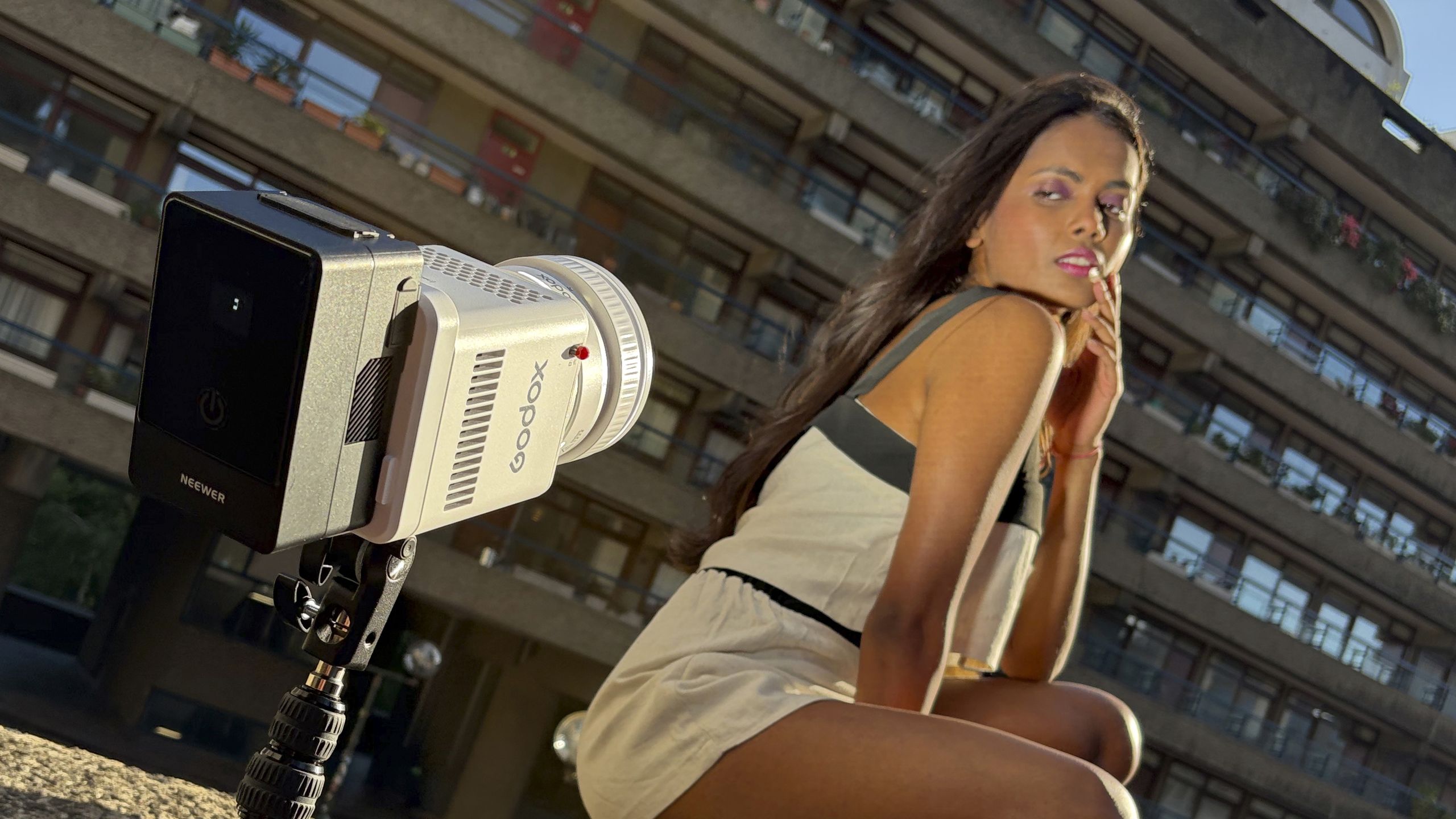
The Godox ML150Bi is a 150W bi-color continuous LED light designed for photographers and videographers.
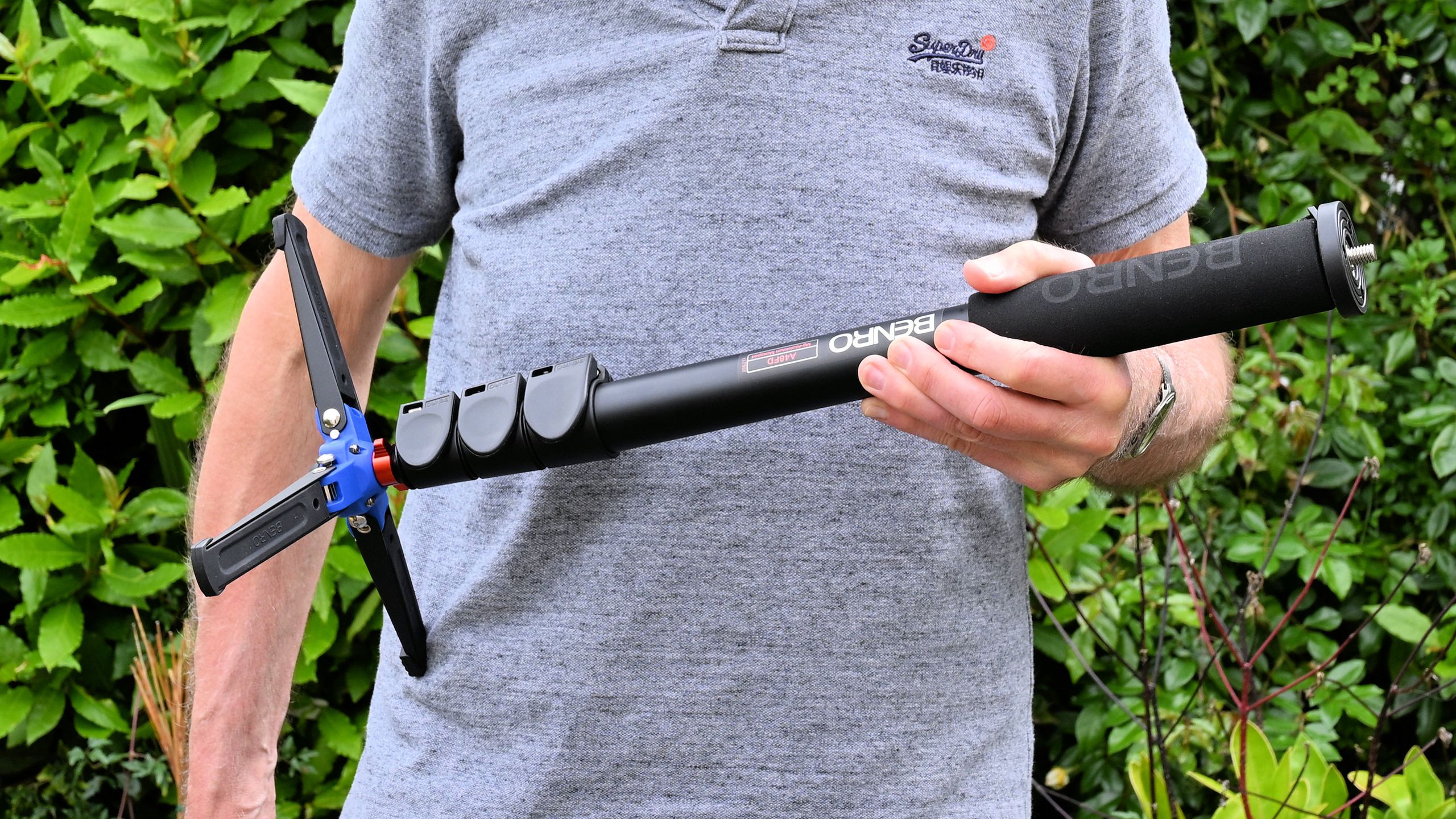
The Benro A48FD Series 4 Aluminum Monopod with its foldout 3-leg base offers significant support and...
1 stories

This video tutorial aims to motivate photographers to move past procrastination and actively learn photo editing techniques.
3 stories
Landscape photography often results in few usable images, a reality that is normal rather than a sign of failure.

This video explores the use of the Sigma 17-40mm f/1.8 Art lens in street photography and videography.

This video features Guido Van De Water's approach to landscape photography on the island of Madeira.
5 stories

The article argues that deciding what not to photograph is a fundamental skill in photography, akin to composition and timing.

Photography's creative process moves through natural cycles, akin to seasons, rather than a linear progression.

DPReview's community is sharing a collection of standout self-portraits, offering glimpses into the stories behind the photographers and their gear.

The author expresses concern that AI-powered editing tools, while efficient, encourage a "cheating" mentality and a relinquishing of creative control.
Photographer Craig Roberts challenges the pervasive social media narrative that demands exotic locations and...
2 stories
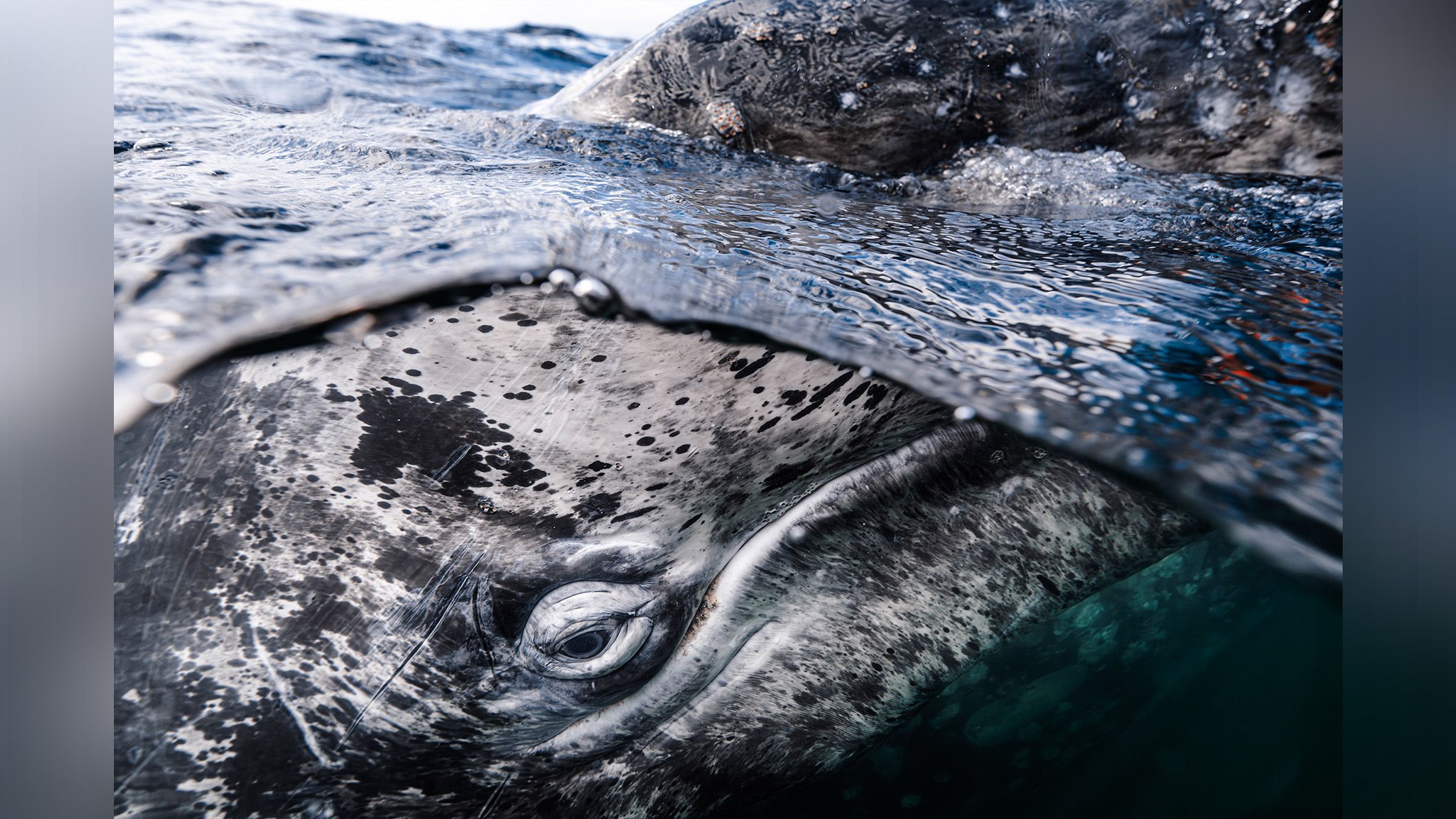
The United Nations Division for Ocean Affairs and the Law of the Sea has announced the winners of the 13th annual Photo Competition for UN World Oceans Day.

The MK Gallery's exhibition, "Jacques Henri Lartigue: Life in Color," reveals a significant body of color work by the renowned French photographer, much of which has remained unseen.
1 stories
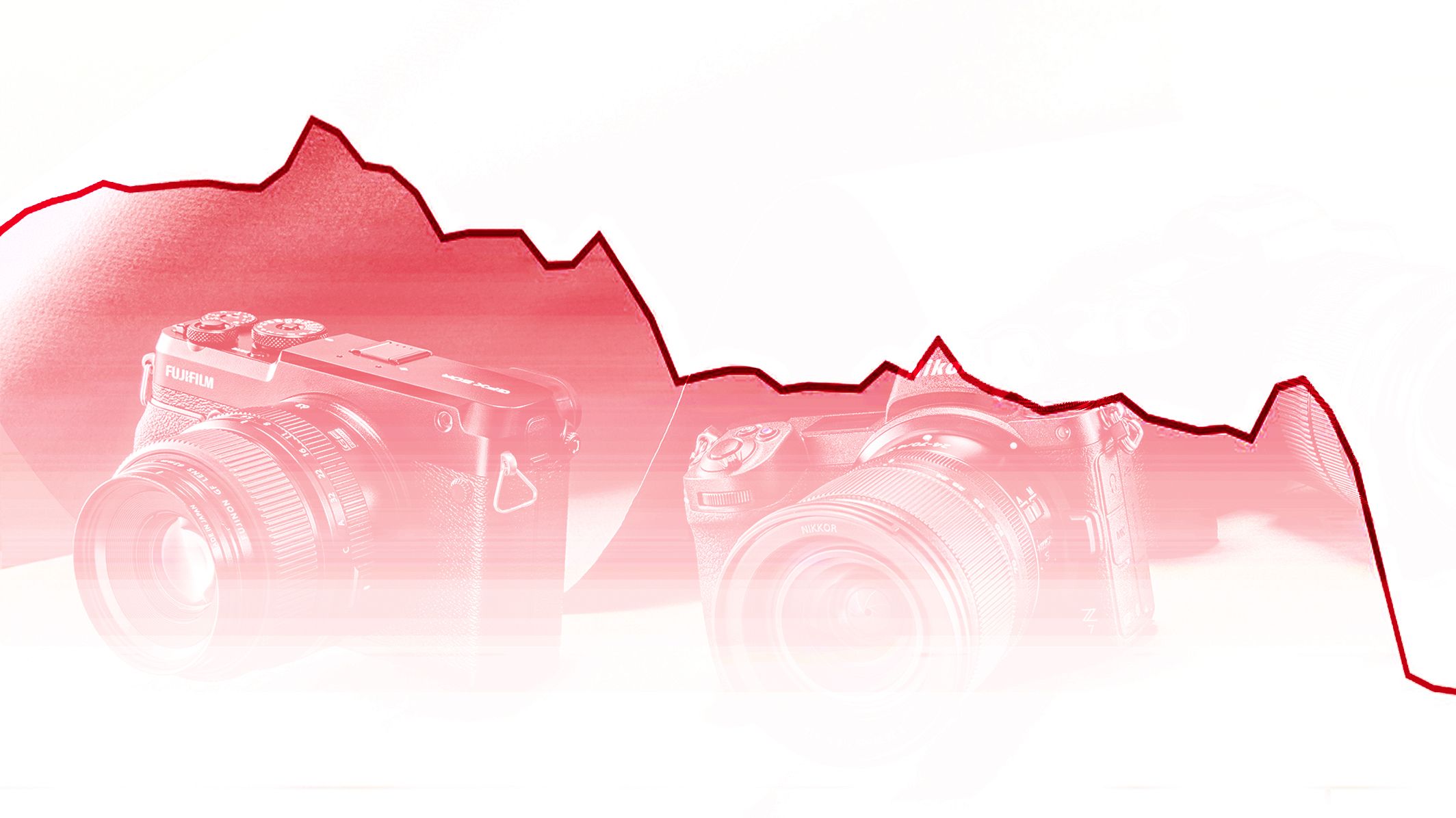
Japanese photo industry body CIPA reports a 30% year-on-year decline in DSLR shipments and predicts a slowdown for mirrorless cameras in 2026, with large, full-frame models seeing the greatest slump.