Gear
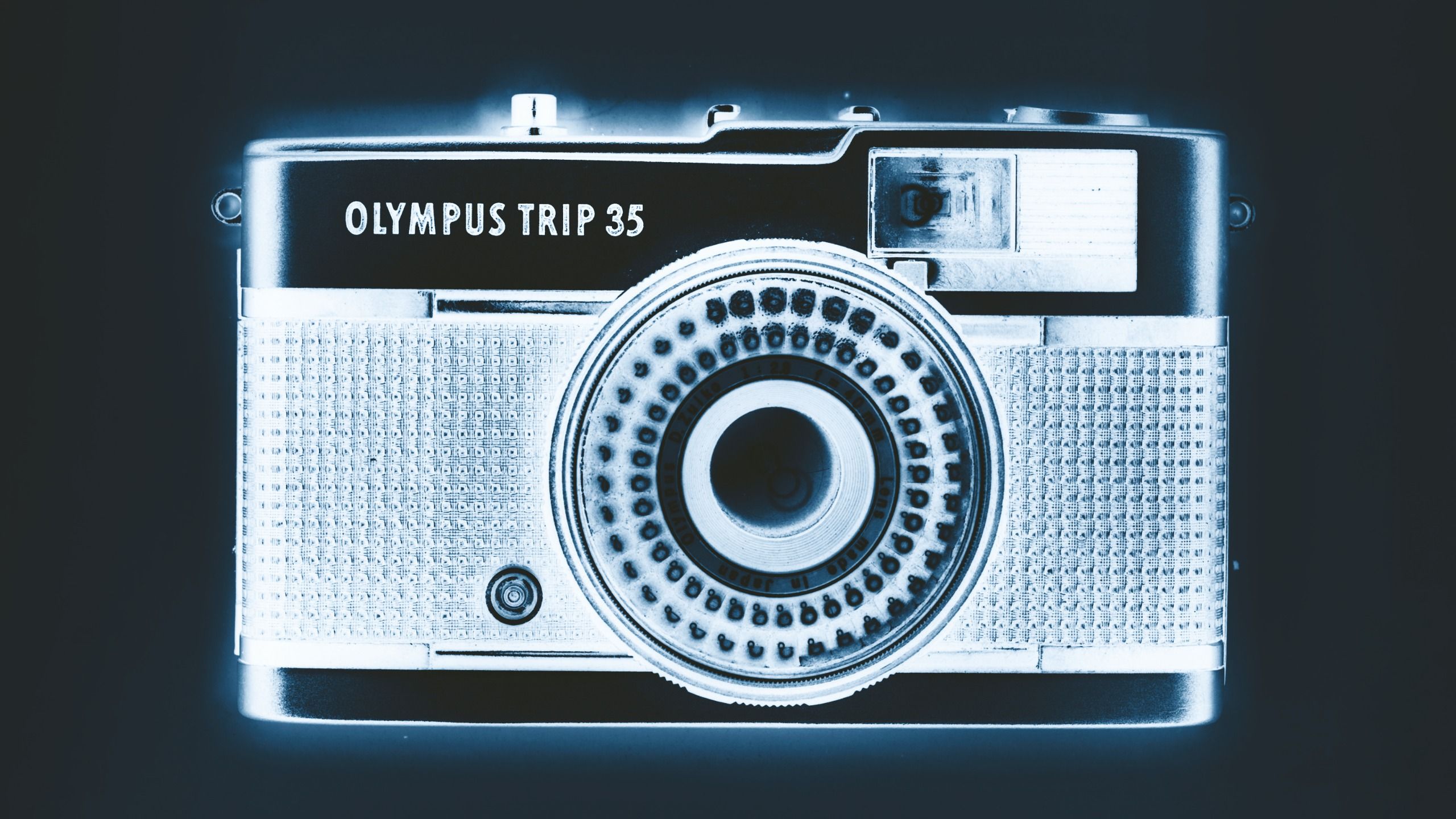
Released in 1967, the Olympus Trip 35 was a compact, budget-friendly point-and-shoot camera designed for vacationers. Despite its simplicity, it featured a high-quality 40mm f/2.8 lens and a selenium exposure meter, contributing to its remarkable success. The camera, developed under Yoshihisa Maitani's design philosophy of small size without compromising performance, sold between 5.4 and 5.6 million units during its 17-year production run, making it one of the most successful compact film cameras.
The Olympus Trip 35 was launched in 1967 with a 40mm f/2.8 lens and programmed autoexposure.
It was designed as a simple, compact camera for vacation use.
Over 5 million units of the Trip 35 were sold between 1967 and 1984.
The camera's success was attributed to its excellent lens and user-friendly design, not requiring a battery.