SUMMARY
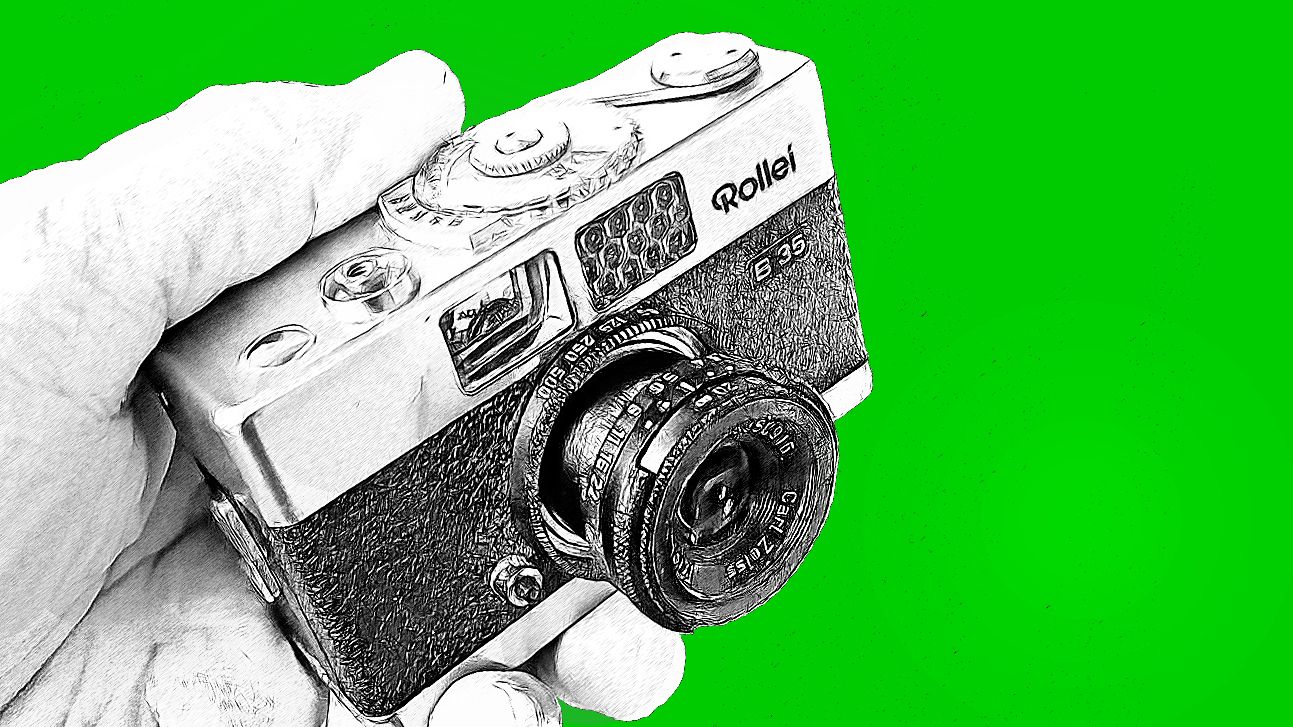
Designer Heinz Waaske conceived the Rollei 35, a compact full-frame 35mm camera, in his own time while working at Wirgin, aiming to compete with smaller cameras by focusing on size rather than film format. His prototype was initially dismissed by his employer, who was ending camera production. Waaske then moved to Franke & Heidecke, where his design was recognized and developed into the Rollei 35, first presented in 1966. Early models lacked a light meter, but later versions like the B35 incorporated selenium and then CdS meters. Despite its small size and lack of a rangefinder, the Rollei 35 was praised for its precision build and bright viewfinder, becoming a popular camera with approximately two million units manufactured over its production run.
TAKEAWAYS
The Rollei 35 was designed by Heinz Waaske as a compact, full-frame 35mm camera.
Waaske's prototype was initially rejected by his employer but later adopted by Rollei.
It became one of the smallest 35mm cameras, with millions produced from 1966 to 2015.
Early models lacked a light meter, with later versions incorporating selenium or CdS meters.