SUMMARY
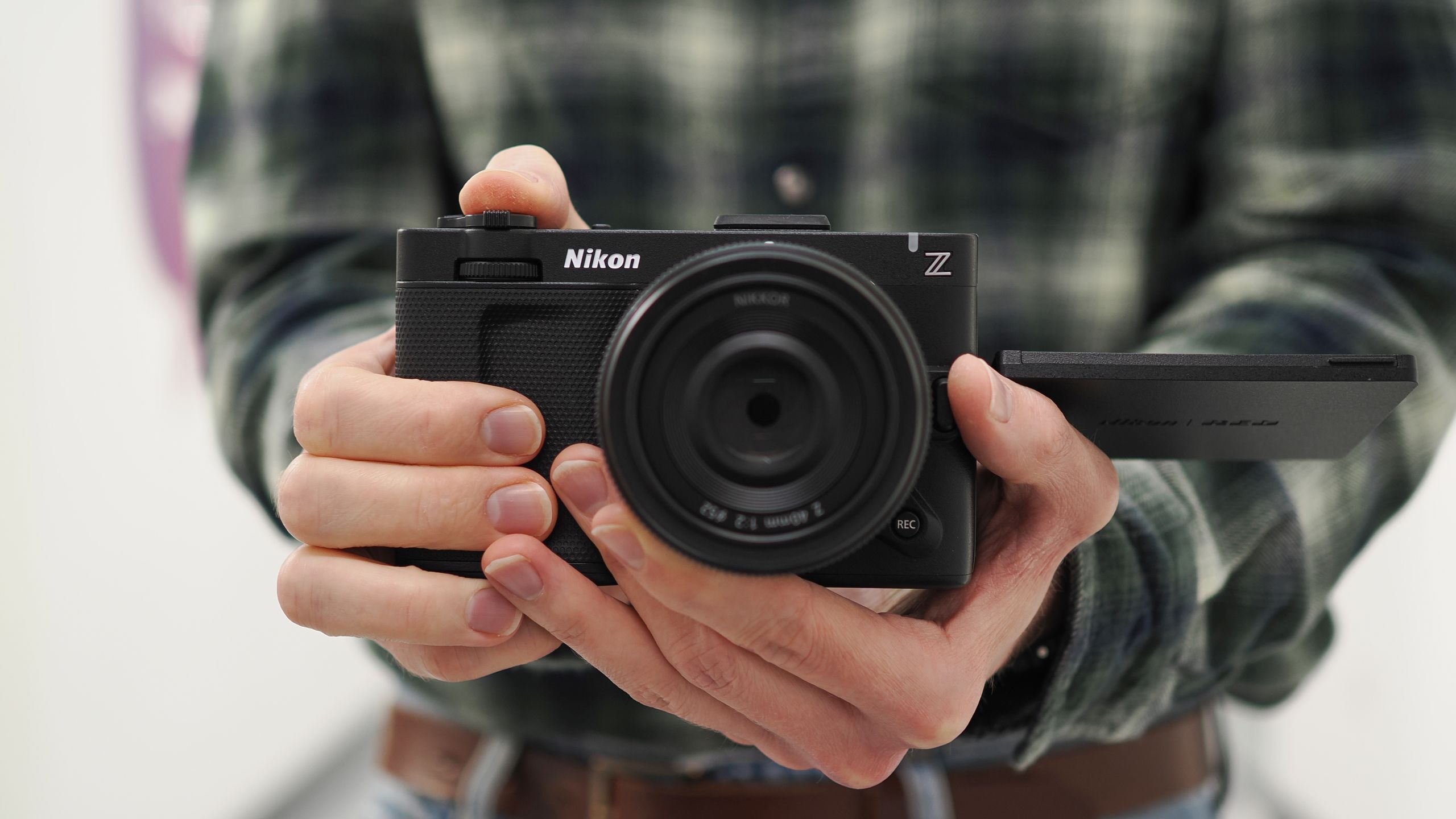
The camera market is experiencing a slowdown in new releases due to global supply chain issues, particularly memory chip shortages exacerbated by AI data centers. However, video-first hybrid cameras like the Nikon ZR and Canon EOS R6 V are emerging, catering to a growing video content creation market. Despite being designed for video, the Nikon ZR offers a surprisingly enjoyable experience for photographers, featuring a rangefinder-style body and a modern monitor-based interface. Its design, though unconventional for Nikon, is praised for its efficiency and potential as a stills camera, even without an EVF. The success of these video-centric models, coupled with Nikon's acquisition of Red, signals a strategic shift towards video, which ultimately drives innovation benefiting both video makers and photographers.
TAKEAWAYS
Video-first cameras like the Nikon ZR are driving innovation that benefits still photography.
Global chip shortages have slowed the release of new mainstream cameras.
The Nikon ZR offers a contemporary, monitor-based interface and excels as a compact cine camera.
Advancements in video technology and market demand are shaping the future of camera design.