SUMMARY
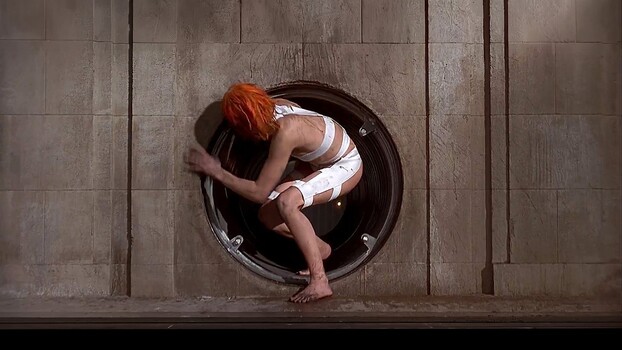
Director Luc Besson's "The Fifth Element" defied typical science fiction by embracing a bright, colorful aesthetic, drawing heavily from European comic books like those by Moebius and Mézières. Cinematographer Thierry Arbogast was instructed to shoot primarily in daylight or well-lit locations, contributing to a "living comic book" feel. Production designer Dan Weil implemented "functional futurism," using vivid color-coding for environments and ensuring familiar objects remained recognizable to create a believable, lived-in world. The film's technical execution included a large-scale miniature of New York, practical effects for action sequences, and fashion designer Jean Paul Gaultier's distinctive costumes, all shot on Super 35 for sharp, clean colors.
TAKEAWAYS
The film's bright, colorful future was inspired by European comic books.
"Functional futurism" grounded the sci-fi world with recognizable objects and color-coded environments.
Technical aspects included large-scale miniatures, practical effects, and Super 35 filming.
Fashion designer Jean Paul Gaultier created over a thousand unique costumes.