SUMMARY
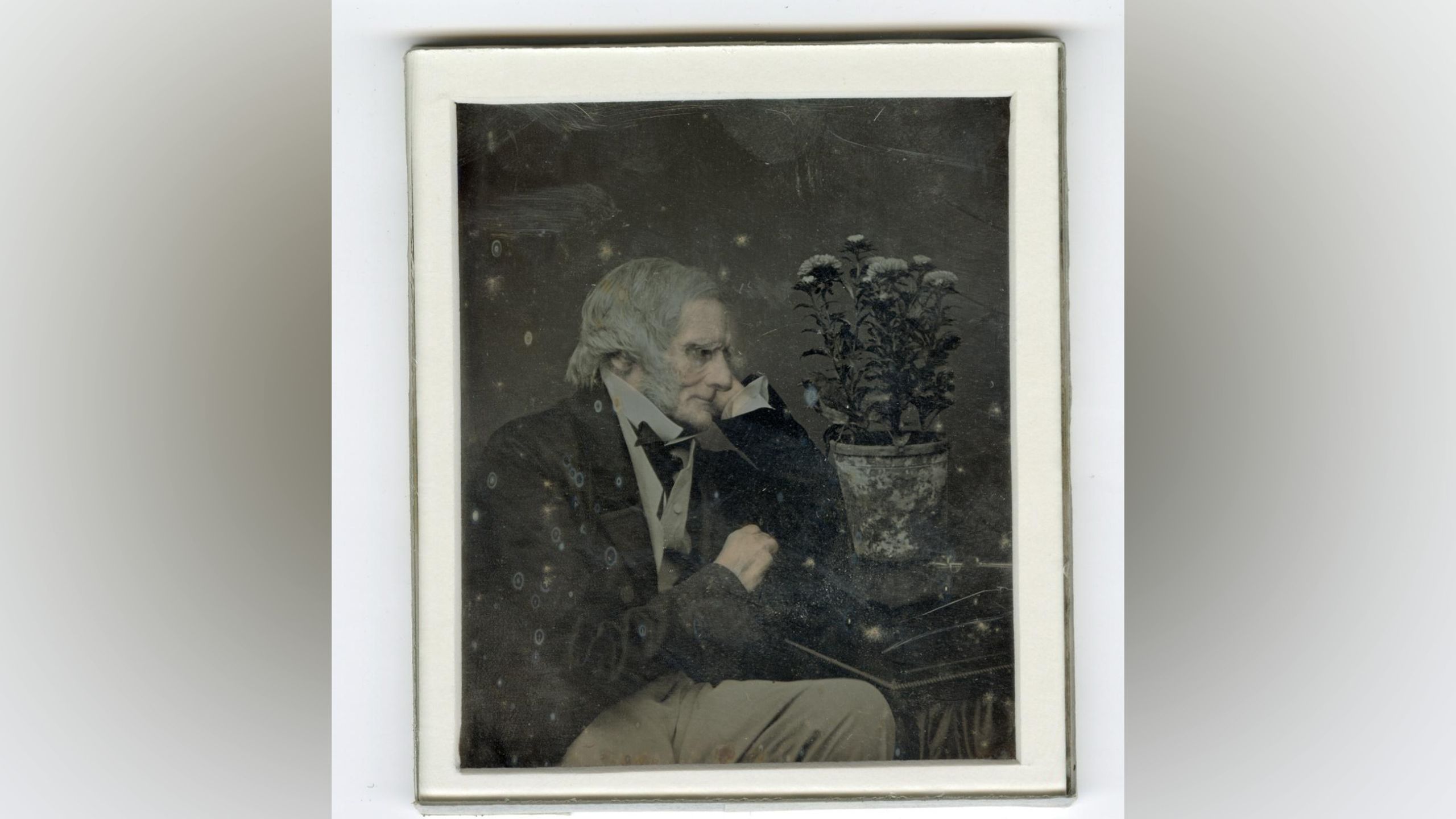
William Constable, a 19th-century daguerreotype photographer, is being honored with a blue plaque at his former Brighton studio, recognizing his significant but often overlooked contributions to photography. Constable, who transitioned from civil engineering, founded one of the earliest commercial photography studios and is credited with capturing the first portrait of British royalty, Prince Albert, in 1842. He was renowned for his pioneering portraiture techniques, meticulously controlling studio lighting with a blue-tinted glass roof and using a revolving platform to achieve flattering angles and optimal illumination for his aristocratic clientele. His innovative use of shadows and drapes added depth and drama to his images, solidifying his legacy as an influential figure in the development of commercial portraiture.
TAKEAWAYS
William Constable was a 19th-century daguerreotype photographer and pioneer of commercial portraiture.
He captured what is believed to be the first portrait of British royalty, Prince Albert.
Constable developed innovative studio techniques, including controlled lighting and subject posing, to create flattering portraits.
A blue plaque has been unveiled at his former Brighton studio to commemorate his contributions.