SUMMARY
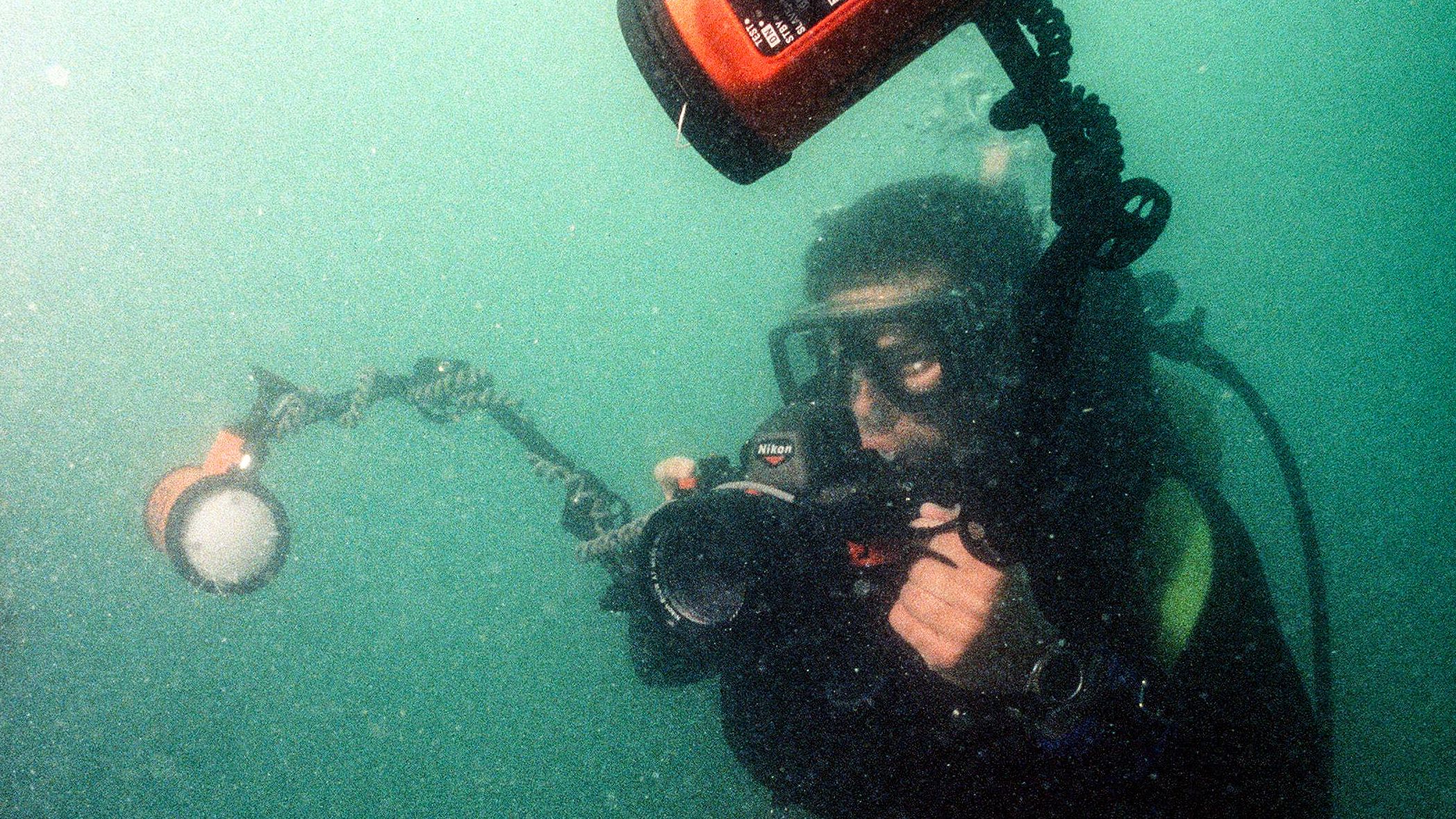
The Calypso camera, developed in the late 1950s by Jacques Cousteau and Jean de Wouters, is recognized as the first practical, fully waterproof 35mm camera usable underwater without external housing. Initially manufactured as the Calypso by Atoms in France, its design was licensed to Nikon in the early 1960s, leading to the long-running Nikonos series of underwater cameras. While Nikon eventually discontinued the line due to the rise of digital imaging and underwater housings for standard cameras, the Calypso remains a significant precursor in underwater photography technology.
TAKEAWAYS
The Calypso camera was the first practical 35mm camera designed for underwater use without a separate housing.
Conceived by Jacques Cousteau and designed by Jean de Wouters, it became the basis for Nikon's Nikonos series.
The Nikonos line offered various models, culminating in the autofocus SLR Nikonos RS in 1992.
Nikon ceased Nikonos production in 2001, citing the shift to digital and improved underwater housings for DSLRs.