SUMMARY
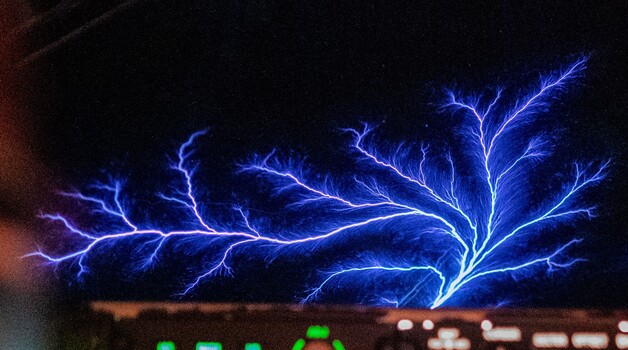
This article details ten of the rarest atmospheric phenomena ever photographed, ranging from the elusive red sprite, first accidentally captured on video in 1989, to nacreous clouds. It explains the scientific principles behind each event, discusses the photographic techniques and challenges involved, and suggests optimal locations for capturing them. The phenomena are ranked by their probability of being photographed, with the green flash noted as the most realistically attainable.
TAKEAWAYS
Rare atmospheric events like red sprites and green flashes are difficult to photograph due to their brief or unpredictable nature.
The green flash is the most attainable phenomenon, occurring as the sun sets or rises with clear horizons and stable air.
Kelvin-Helmholtz clouds, resembling frozen ocean waves, last only a minute or two and require immediate wide-angle shots.
Light pillars form in extreme cold from ice crystals reflecting light, while St. Elmo's fire is a glow on pointed objects during electrical storms.