SUMMARY
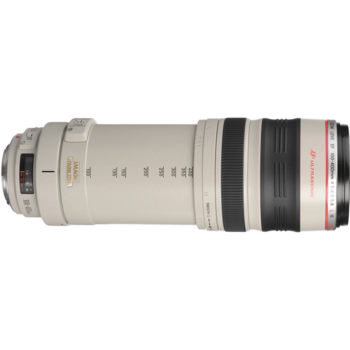
The shift from push-pull zoom collars to rotating rings on lenses, exemplified by Canon's EF 100-400mm replacement, sparked debate among photographers. While manufacturers cited dust prevention as the reason for the change, many users miss the speed and seamless operation of one-touch zoom collars. These older designs allowed simultaneous zooming and focusing without repositioning the hand, a significant advantage for capturing fast-moving subjects. Early examples from Nikon and Vivitar, along with Canon's FD and some EF series lenses, featured this design, with Nikon maintaining it longest in its professional telephoto line.
TAKEAWAYS
Push-pull zoom collars allowed simultaneous zoom and focus control without hand repositioning.
Manufacturers cited dust prevention as the reason for phasing out push-pull designs.
Nikon and Canon produced notable lenses with push-pull zoom mechanisms.
Many photographers still prefer push-pull control for its speed in action photography.