SUMMARY
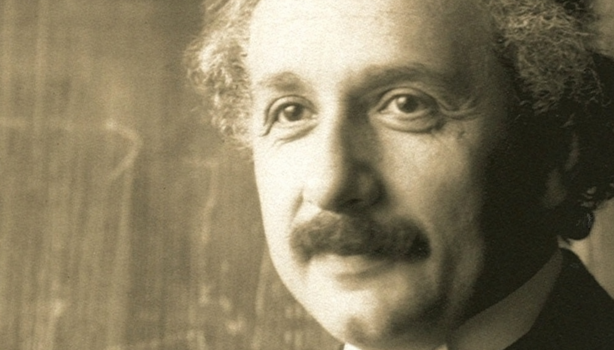
Two expeditions in 1919 photographed stars near the Sun during a total solar eclipse to test Albert Einstein's general theory of relativity. The experiment aimed to measure if the Sun's gravity bent starlight by approximately 1.75 arcseconds, as Einstein predicted, which was double the amount suggested by Newtonian physics. By comparing these eclipse plates with comparison plates of the same star fields taken at night, astronomers could measure the apparent shift in star positions. The results confirmed Einstein's theory, transforming him into the world's most famous scientist.
TAKEAWAYS
1919 eclipse expeditions photographed stars near the Sun to test Einstein's relativity.
The experiment measured starlight bending, predicted to be 1.75 arcseconds by Einstein.
Comparison plates taken at night were used to measure shifts in star positions.
The photographic evidence confirmed Einstein's theory, making him globally famous.