SUMMARY
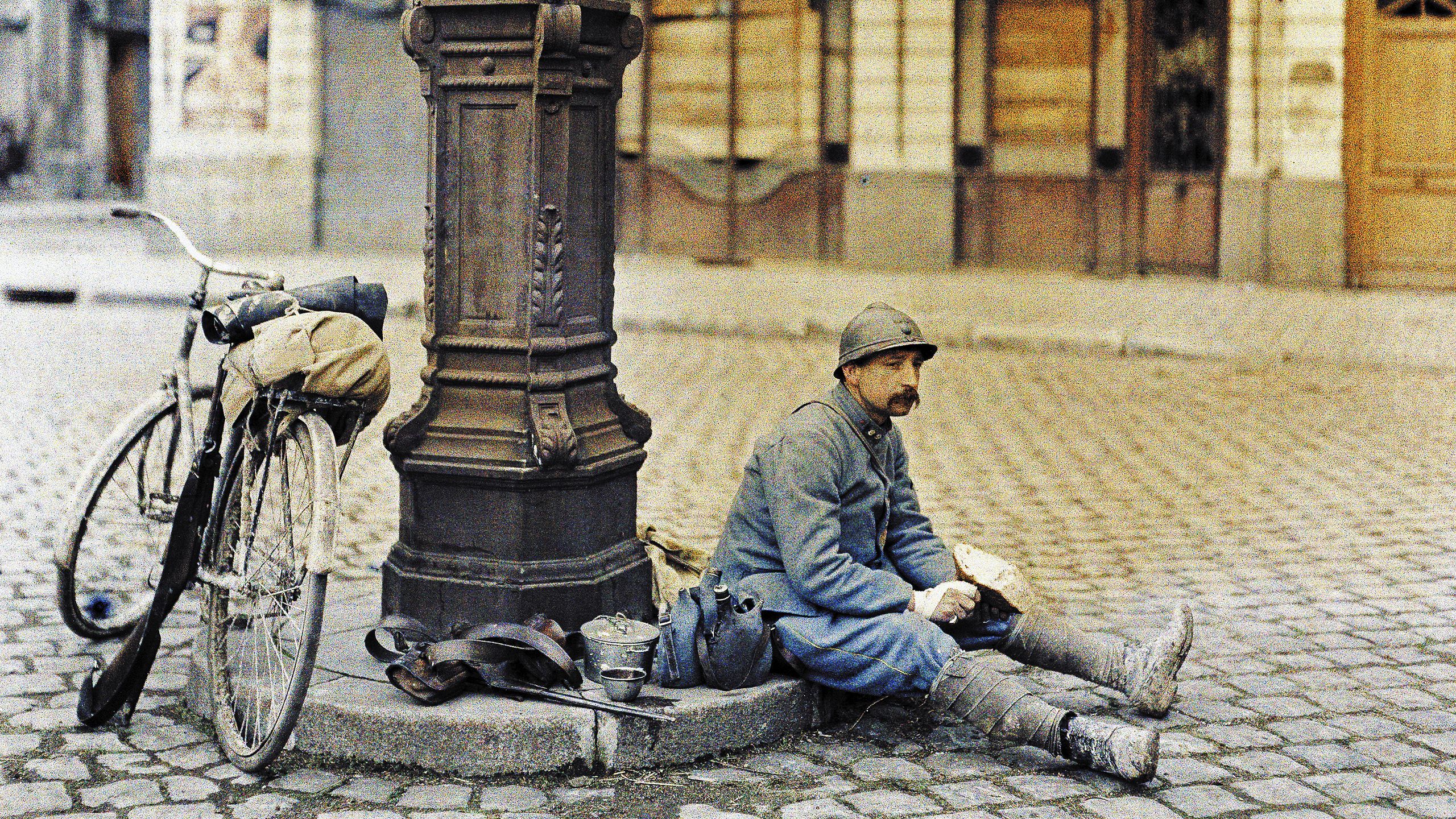
The Autochrome Lumière, emerging in the early 1900s, was the first easily repeatable and beginner-friendly color photography process. French brothers Auguste and Louis Lumière developed this method by using potato starch, which has microscopic round particles, to create transparent color filters. Dyes were added to the starch, mixed, and applied to glass plates, with charcoal powder used for contrast. This process, though fragile and requiring specific viewing conditions, proved that red, green, and blue dots could create a full-color image, a principle still used in digital camera sensors today.
TAKEAWAYS
The Autochrome Lumière was the first commercially successful color photography process.
Potato starch was used for its microscopic round particles to create color filters.
The process relied on mixing red, green, and blue light, a principle still used in digital cameras.
Autochromes were glass plates that required backlighting for viewing and were susceptible to fading.