SUMMARY
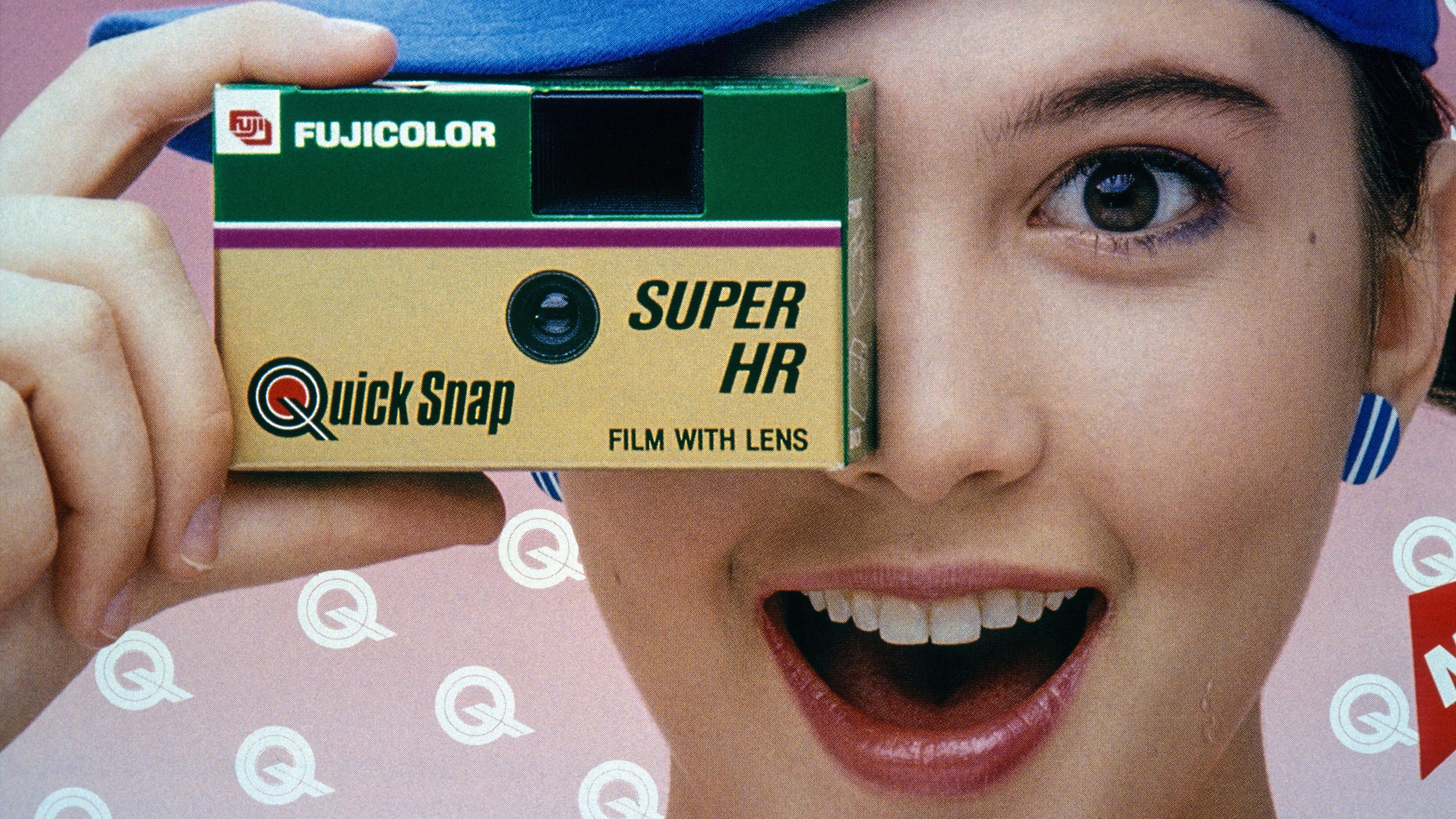
While Fujifilm's 1986 QuickSnap is credited with launching the successful single-use camera market, its history is much older. Early disposable camera concepts emerged in 1886 with AP Whittell's Ready Fotografer, followed by cardboard cameras like the Picture-Box and Photo-Pac in the late 1940s. Companies like Encore and IMP also introduced various disposable camera models in the 1950s, with Technicolor's Techni-Pak and the Love camera appearing in the 1970s. Fujifilm's QuickSnap, however, achieved widespread success, outselling Kodak's later Fling and its successor, the FunSaver, and remaining relevant even with the rise of digital photography.
TAKEAWAYS
The Fujifilm QuickSnap, launched in 1986, is considered the first truly successful single-use camera.
Earlier disposable camera concepts date back to 1886 with the American-made Ready Fotografer.
Several other disposable camera models were introduced in the mid-20th century by companies like Picture-Box, Photo-Pac, Encore, and IMP.
Despite the digital age, single-use cameras like the QuickSnap and Kodak FunSaver continue to be popular for specific uses.