SUMMARY
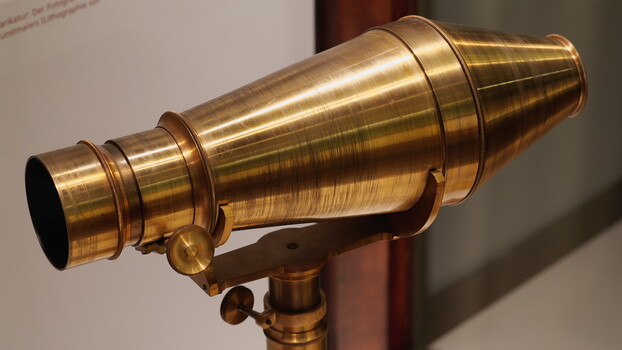
By May 1840, mathematician Joseph Petzval designed the first photographic lens through pure calculation, a departure from the trial-and-error methods of the time. Assisted by army personnel performing extensive computations, the resulting lens gathered approximately 20 times more light than contemporary daguerreotype cameras. This innovation, combined with advancements in chemical accelerators and plate polishing, dramatically reduced exposure times from minutes to under a minute, revolutionizing portrait photography for four decades.
TAKEAWAYS
Joseph Petzval designed the first photographic lens via mathematical calculation in 1840.
The Petzval lens gathered about 20 times more light than standard daguerreotype cameras.
This lens significantly reduced portrait exposure times, transforming early photography.
Petzval's design was based on existing telescope optics and advanced refraction math.