SUMMARY
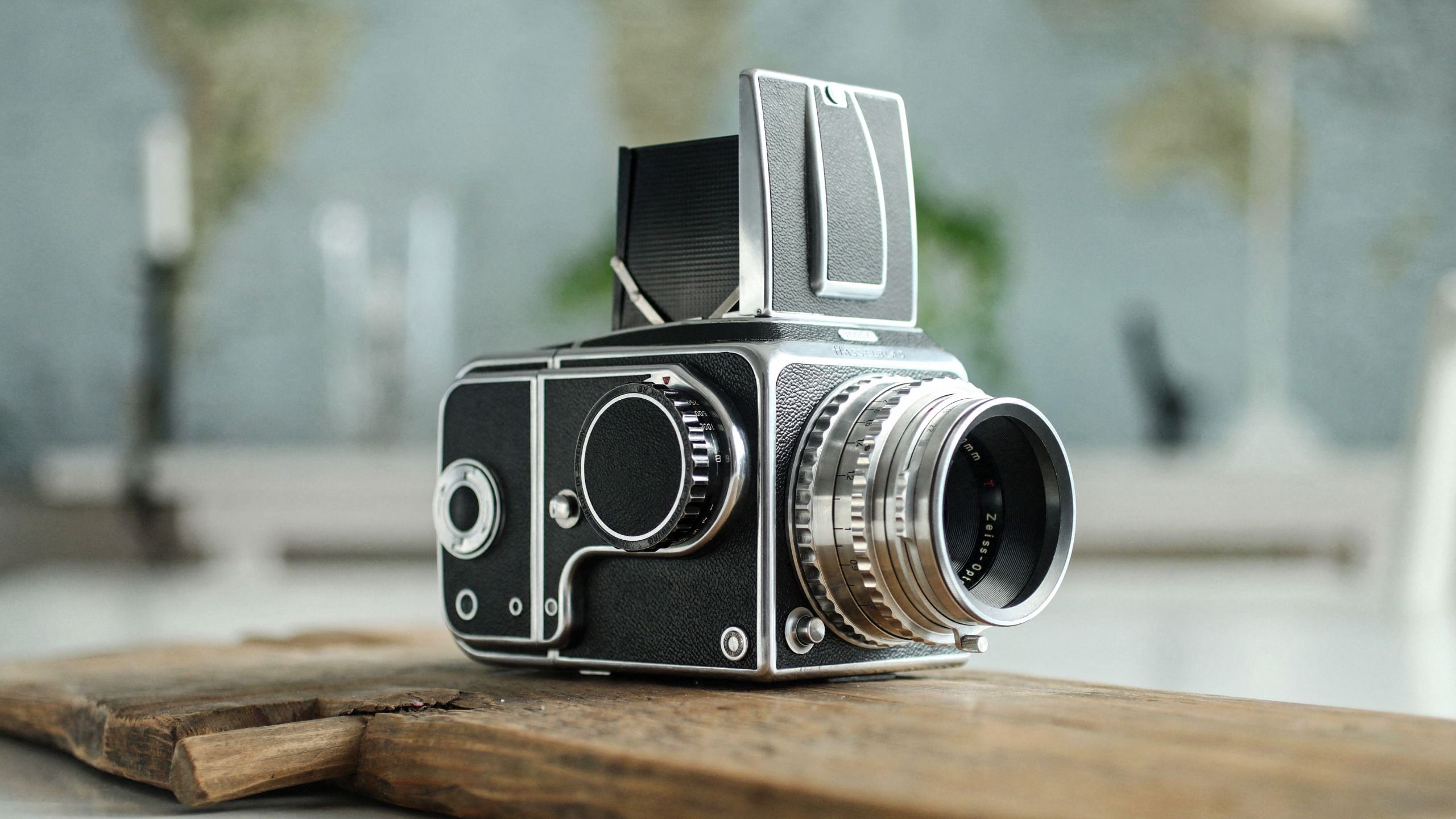
Victor Hasselblad, inspired by captured German reconnaissance cameras, developed a revolutionary modular medium format SLR camera. The first models, the 1600F and later the 1000F, were known for their advanced design and durability, withstanding accidental drops during testing. The introduction of the 500C, featuring a reliable leaf shutter, cemented Hasselblad's reputation for exceptional quality and robustness. This led to a long-standing collaboration with NASA, where Hasselblad cameras were used extensively in space, including on lunar missions, with some bodies famously left behind on the Moon.
TAKEAWAYS
Victor Hasselblad created rugged, modular medium format cameras starting in the mid-20th century.
Hasselblad cameras were adopted by NASA for space missions due to their reliability and image quality.
Some Hasselblad camera bodies were intentionally left on the Moon during Apollo missions to save weight.
The 500C model, with its leaf shutter, became a highly successful professional camera.