SUMMARY
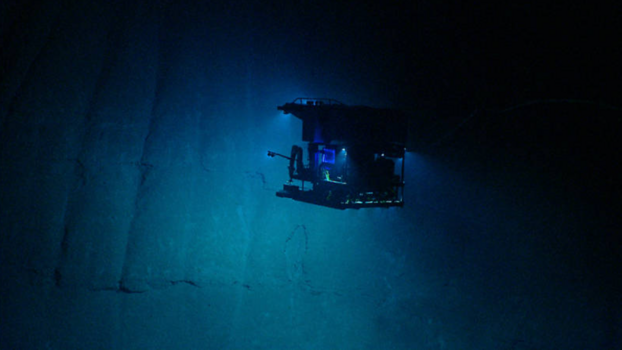
Capturing images in the deep sea, miles below the surface where sunlight never reaches, necessitates cameras that bring their own illumination. Water filters out light wavelengths, leaving only blue-green hues by 200 meters and complete darkness below 1,000 meters. Remotely operated vehicles (ROVs) like NOAA's Deep Discoverer are equipped with powerful LED arrays and high-definition cameras, housed in robust pressure-resistant casings. Simpler, untethered landers, often using bait to attract wildlife, hold records for the deepest fish filmed. The artificial light reveals the true colors of deep-sea creatures, which often use red or black as camouflage in their natural, dimly lit environment.
TAKEAWAYS
Deep-sea photography depends on artificial light as sunlight is absent below 1,000 meters.
ROVs and baited landers are key technologies for capturing images in the aphotic zone.
Pressure housings made of titanium or thick glass protect cameras from extreme depths.
Artificial light can reveal the true colors of deep-sea animals, which often use red or black for camouflage.