Gear
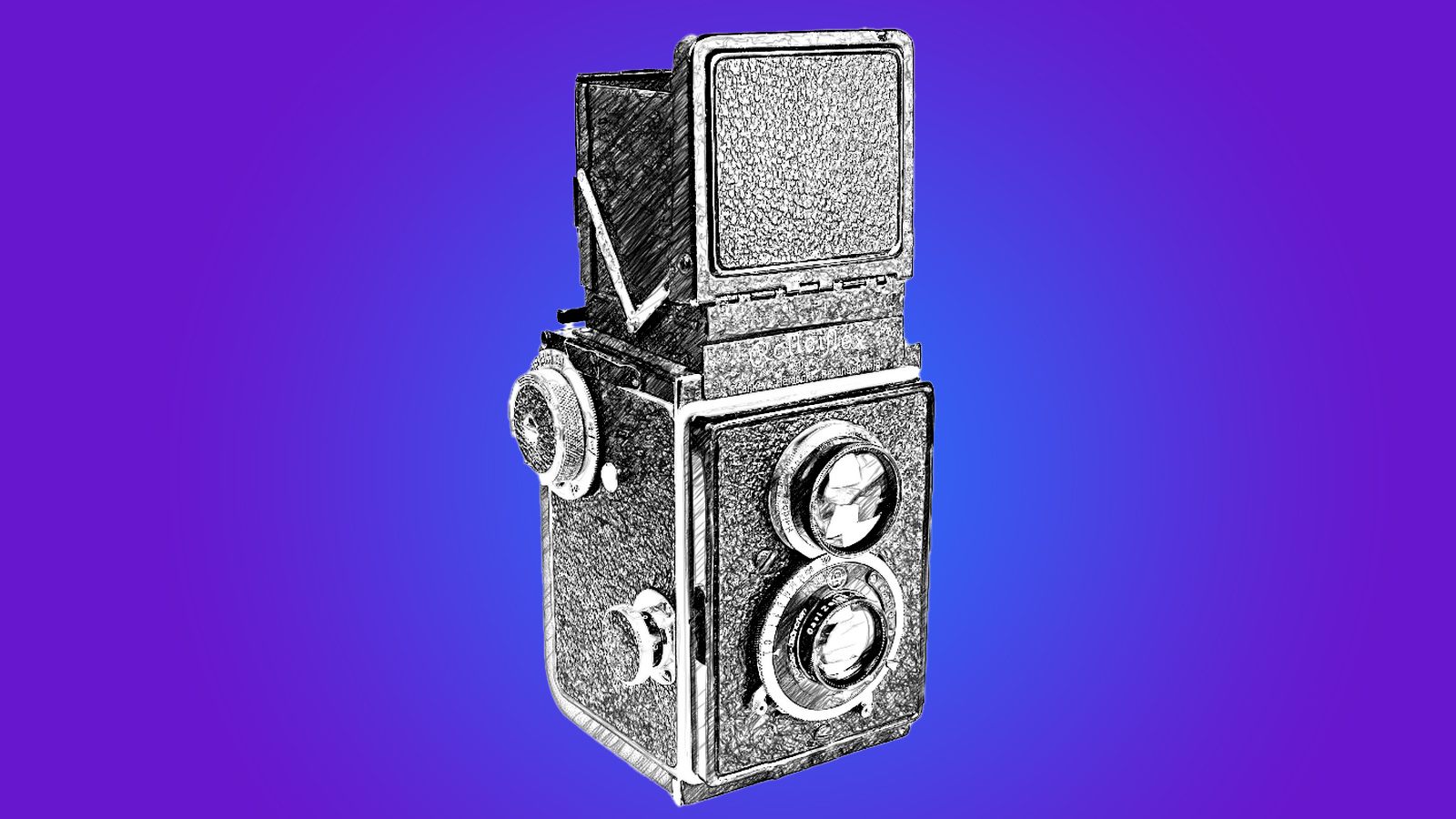
The German firm Franke & Heidecke introduced the Rolleiflex twin-lens reflex camera in 1929, producing a 6x6cm image on roll film. The camera's design was influenced by Reinhold Heidecke's idea to adapt the twin-lens reflex format for safer photography over trenches during World War I, using a pole-mounted camera with a cable release. Early models like the "Standard" and simplified Rolleicord were followed by innovations such as the Rolleiflex Automat with automatic film loading and frame counting. Post-war developments included the 3.5 and 2.8 series, flash synchronization, and built-in light meters. Despite later attempts like the 35mm Rolleiflex SL 2000F, the company faced bankruptcy, though limited production of Rolleiflex SLRs continues today.
Rolleiflex twin-lens reflex cameras were introduced in Germany in 1929.
The design was inspired by a need for safer trench photography during WWI.
Innovations included automatic film loading and integrated light meters.
The company faced bankruptcy in the 1980s, but limited production continues.