News
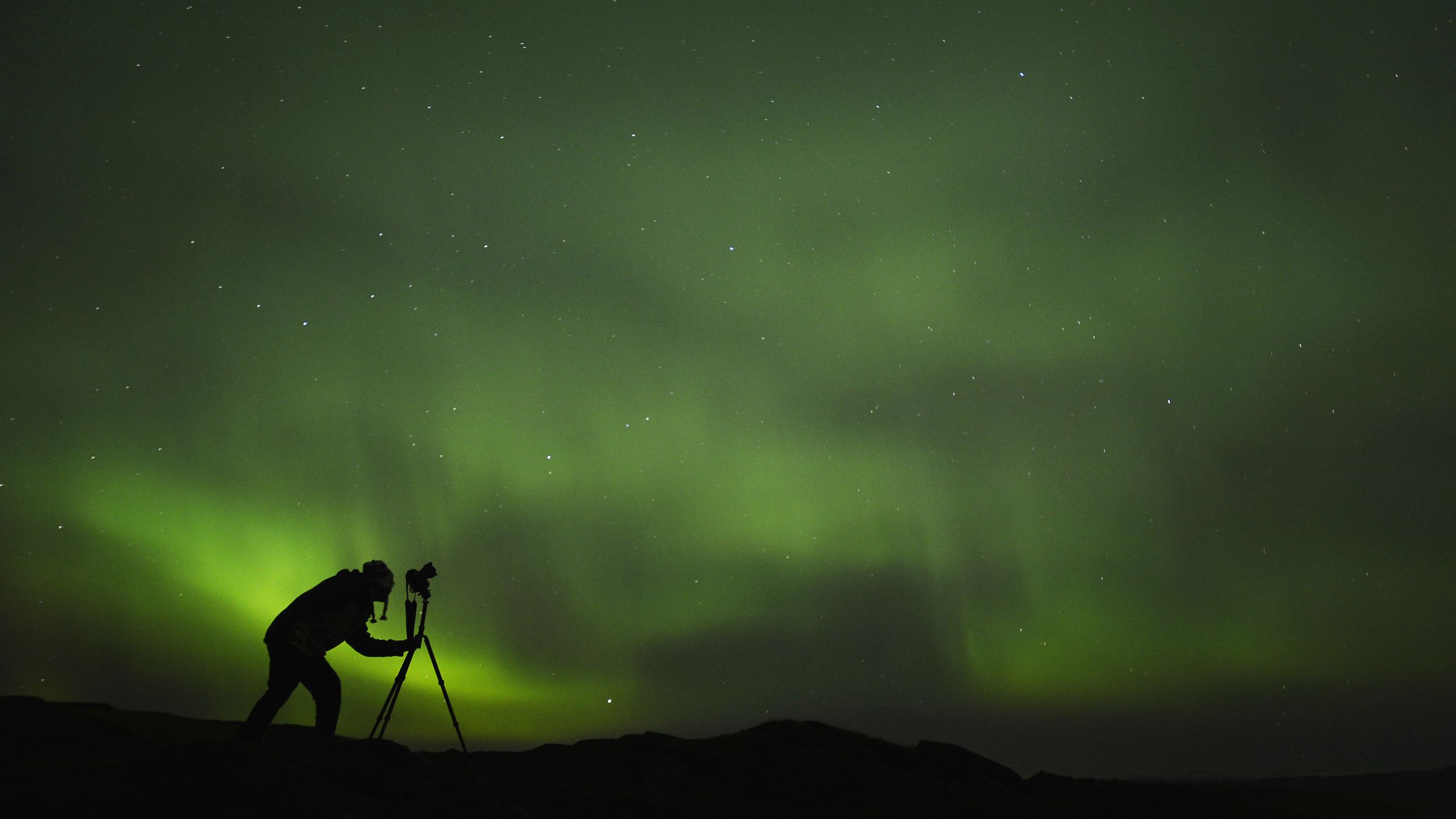
Ten solar flares emitted over a 24-hour period could enhance the visibility of the aurora, potentially allowing photographers to capture the natural light show farther south than typical. While NOAA's forecast predicts moderate geomagnetic storm levels, the exact timing of the aurora remains unpredictable due to the interaction of these flares. Photographers are advised to check NOAA's short-term forecasts for more accurate timing, especially if solar activity occurs during daylight hours. If conditions are favorable, areas in northern US states, Canada, and the northern parts of the UK might experience aurora activity. For capturing the aurora, a tripod and slower shutter speeds are recommended, similar to photographing fireworks.
Increased solar flare activity may lead to aurora sightings farther south.
Photographers should monitor NOAA's geomagnetic forecasts for potential aurora events.
Capturing the aurora requires a tripod and slower shutter speeds.
Unpredictable timing due to solar flare interaction necessitates checking short-term forecasts.