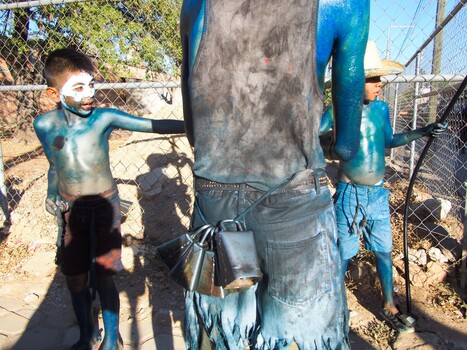
SUMMARY
Photography, often seen as a medium for truth, has also been a powerful ally to colonialism, used to construct an 'us' versus 'them' visual geography. From its origins, the medium was deployed to 'track' the exotic and primitive, serving as an instrument of power and domination. This practice, exemplified by Orientalist photography, often involved staged images that satisfied a Western gaze rather than reflecting the subjects' realities. The dynamic highlights a class dimension where the photographer, often external and equipped, represents the 'Other,' leading to paternalistic or falsely empathetic portrayals that can reinforce hierarchies.
TAKEAWAYS
Photography has been used to perpetuate colonial power and visual domination.
The 'colonialist gaze' framed indigenous people as objects, reinforcing racial superiority.
Exoticism in photography often romanticizes and spectacularizes 'otherness' for Western consumption.
The act of photographing can become an appropriation, repeating colonial patterns.