SUMMARY
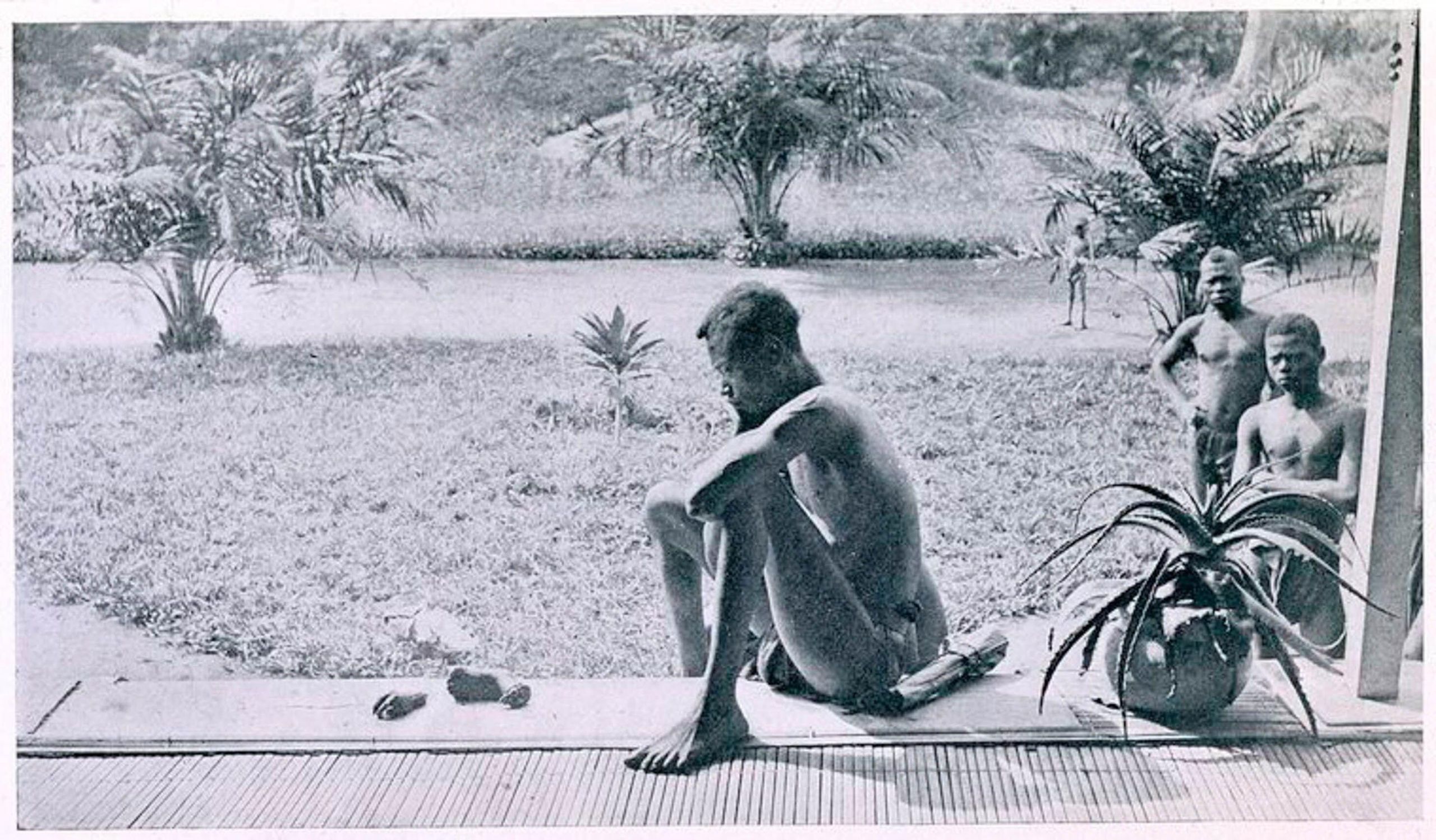
Missionary Alice Seeley Harris brought her camera to the Congo Free State on her honeymoon in 1898, documenting the severe brutality under King Leopold II's rule. Her photographs, including a stark image of a man with his daughter's severed hands, served as powerful evidence of atrocities committed when rubber quotas were not met. Harris deliberately composed these images as testimony, understanding their potential to drive accountability. Her work was widely distributed, contributing significantly to international pressure that forced Leopold II to relinquish control of the Congo by 1908. Despite her pivotal role, Harris was largely written out of history, with credit often going to others, until recent exhibitions began to recognize her pioneering contributions to photographic advocacy.
TAKEAWAYS
Alice Seeley Harris used photography in 1898 to expose human rights abuses in the Congo Free State.
Her images documented atrocities, such as severed hands, resulting from forced rubber quotas.
Harris's photographs were instrumental in generating international pressure leading to reforms in the Congo.
Her pioneering work in photographic advocacy was largely uncredited for over a century.