SUMMARY
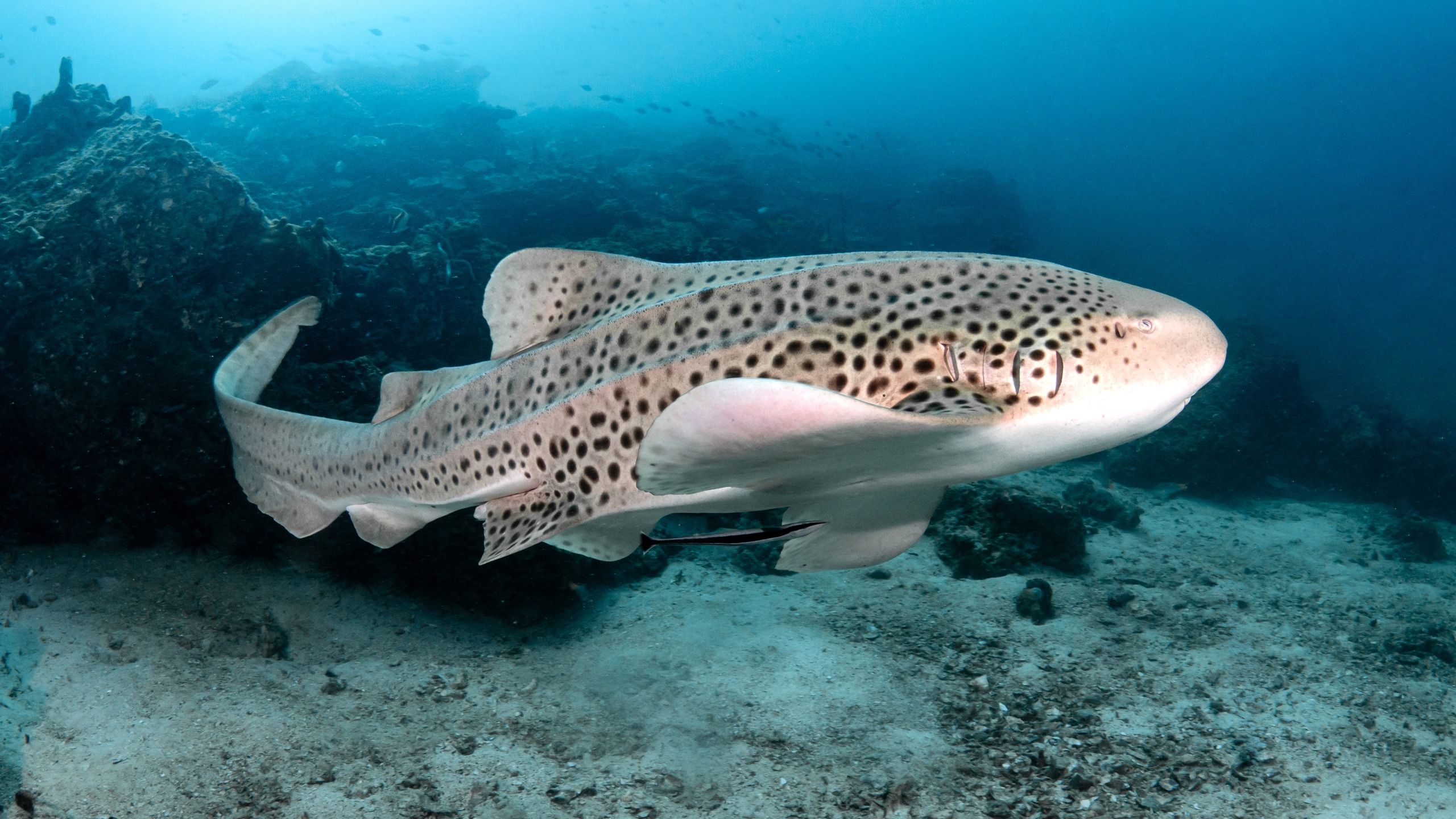
Researchers with National Geographic Pristine Seas deployed baited underwater cameras off Samoa's Apolima Island and captured unexpected footage of an endangered leopard shark. This marks the first verifiable evidence of the species, also known as a zebra shark, in Samoan waters. The deployment highlights the effectiveness of camera systems in wildlife research, as a single deployment can reveal significant information about species distribution. National Geographic's work combines filmmaking, underwater photography, and scientific research to support marine conservation efforts.
TAKEAWAYS
An endangered leopard shark was filmed in Samoan waters for the first time.
Baited underwater cameras (BRUVs) were used for the discovery.
The footage provides verifiable evidence of the shark's presence in the region.
Camera deployments are valuable tools for wildlife research and conservation.