SUMMARY
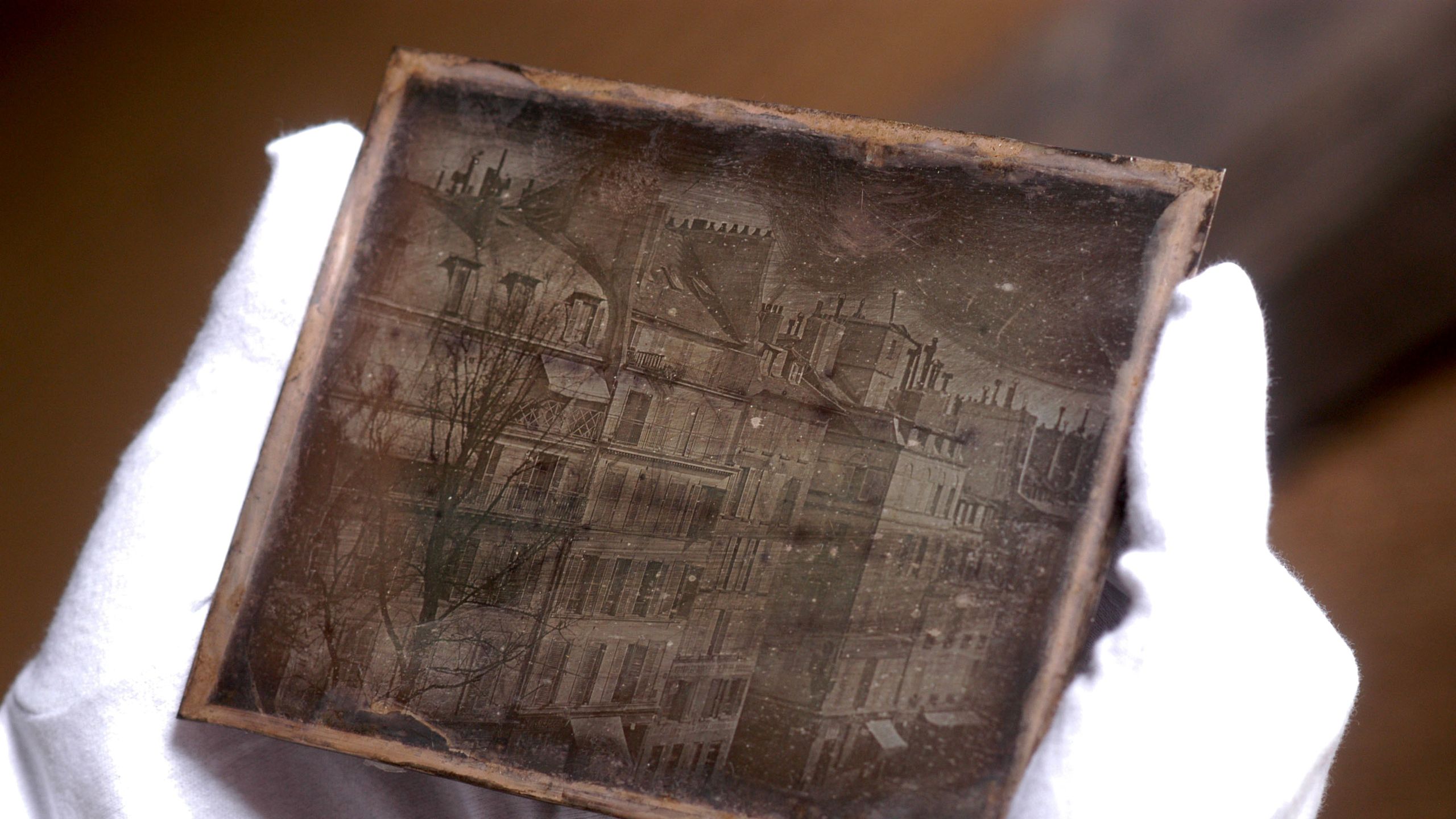
Early photography faced challenges with long exposure times, with Nicéphore Niépce's process taking eight hours or more. Painter Louis Daguerre, initially collaborating with Niépce, sought to shorten this. After Niépce's death, Daguerre worked intensely for nearly two years, experimenting with chemicals. The breakthrough, believed to be accidental, involved a silver plate, iodine, and possibly mercury vapors from a broken thermometer, resulting in the daguerreotype. This process dramatically reduced exposure times to minutes, marking the first practical photographic method.
TAKEAWAYS
Louis Daguerre's work led to the daguerreotype, a significant advancement in early photography.
The daguerreotype process drastically reduced exposure times from hours to minutes.
An accidental discovery, possibly involving mercury, is credited with perfecting the daguerreotype.
Daguerre's invention made photography a more practical and accessible medium.