SUMMARY
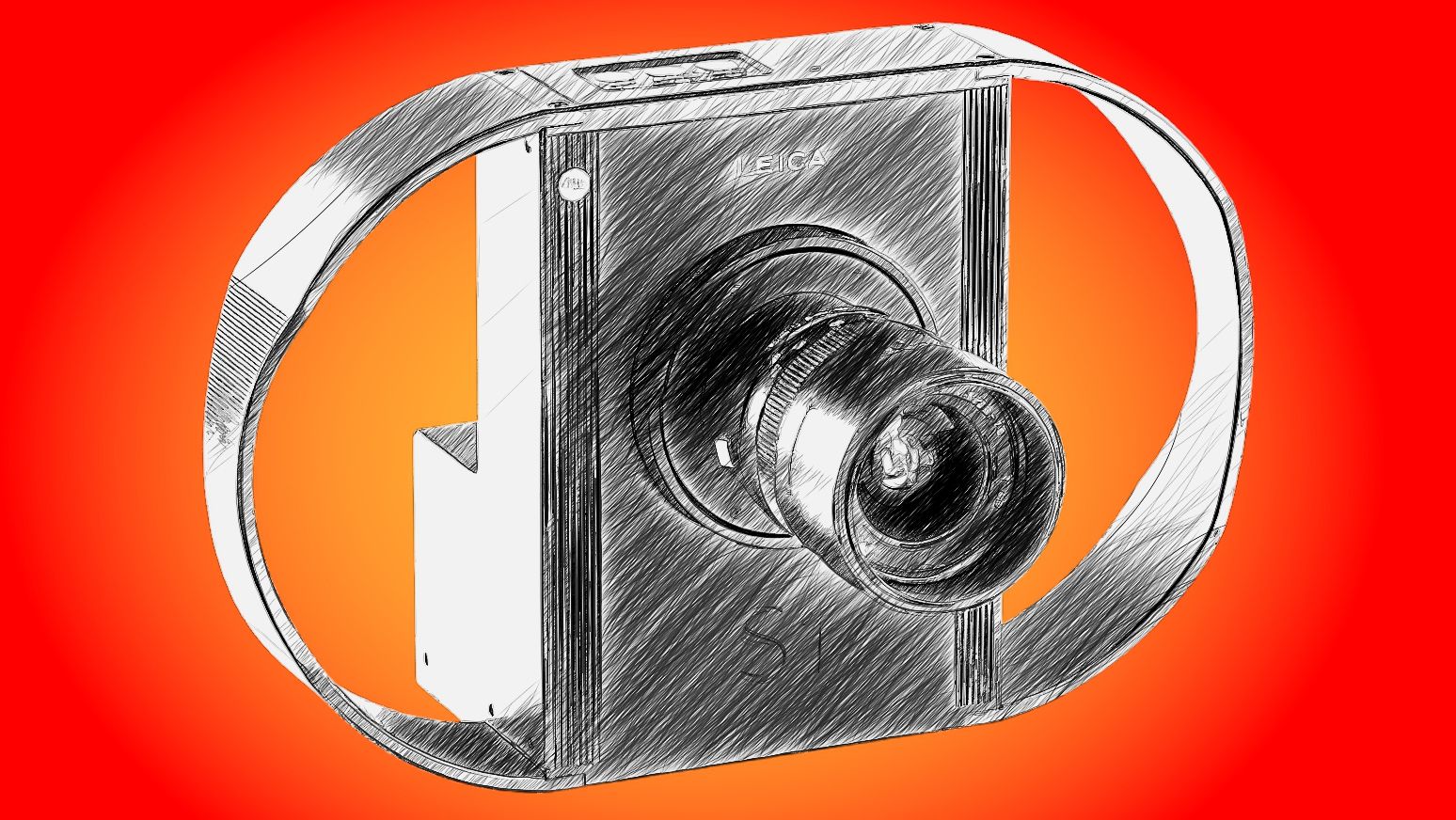
Introduced in 1996, the Leica S1 was a revolutionary digital camera that captured 26.4-megapixel images, significantly higher than its contemporaries. It utilized a unique scanning back mechanism, where a sensor moved across the image plane, taking between 75 to 185 seconds per exposure. This made it suitable only for static subjects in studio environments, requiring external power and a computer connection as it lacked internal storage. Despite its immense resolution and accurate color reproduction due to the absence of a Bayer filter, its slow speed, heavy weight, and high cost positioned it as a specialized tool for museums and advertising rather than a mainstream camera.
TAKEAWAYS
The Leica S1 captured 26.4MP digital images in 1996, far exceeding the 1MP capabilities of most cameras at the time.
It used a scanning back, taking up to 185 seconds per exposure, making it suitable only for static subjects.
The camera required external power and a computer connection, functioning like a hybrid camera and high-end scanner.
Priced at $21,500 new, it was a niche product for specialized professional use, not general photography.