
When Science Becomes Art: The Story of Harold Edgerton’s Milk Drop Photo
Summary
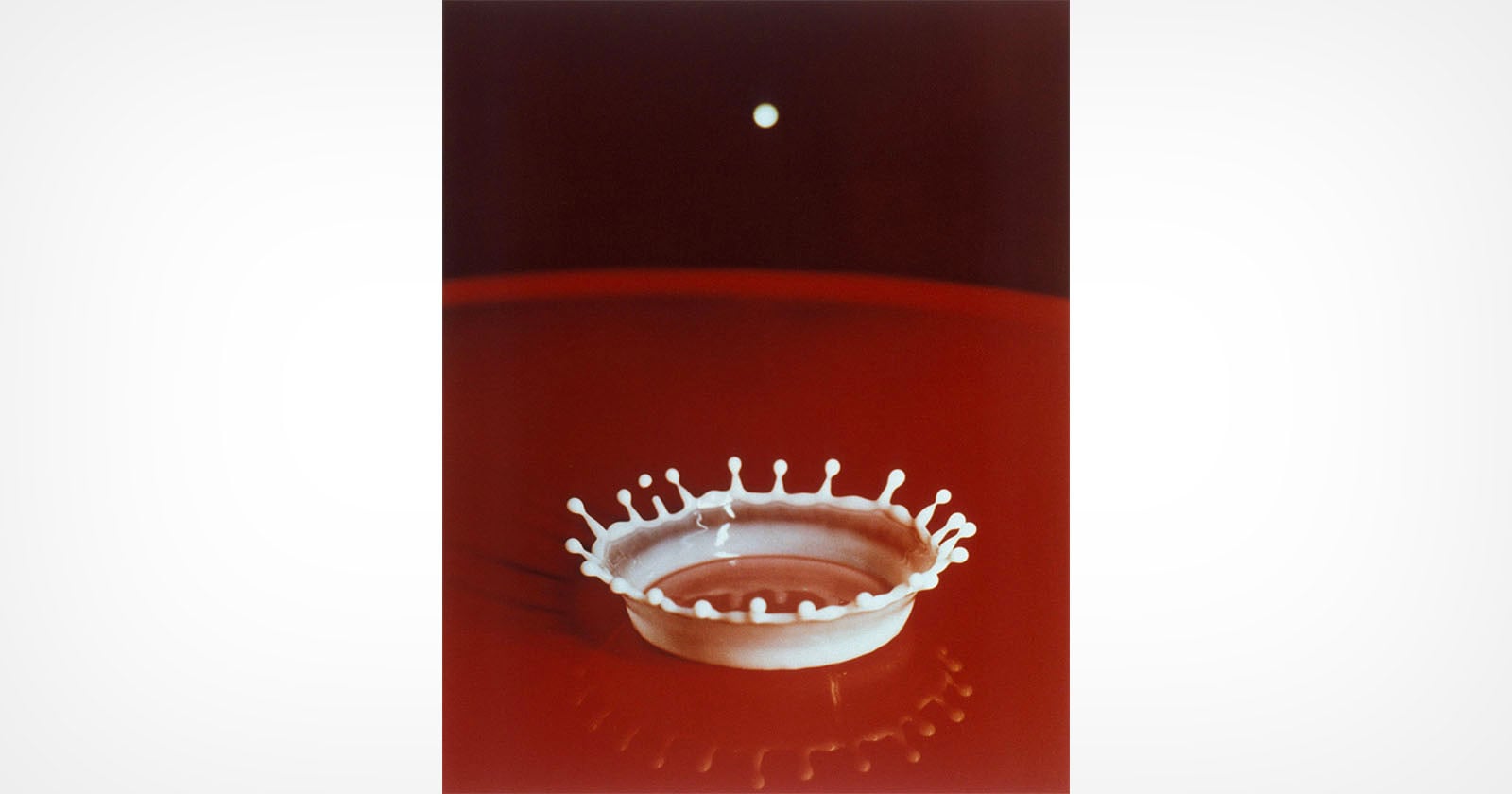
Harold "Doc" Edgerton, an MIT professor and pioneer of strobe photography, captured his famous "Milk Drop Coronet" in 1957. The photograph freezes a drop of milk in a crown shape as it hits a surface, a feat achieved through ultra-high-speed flashes lasting about a millionth of a second. Edgerton, nicknamed "Papa Flash," developed the stroboscope to make the unseen visible, documenting phenomena like bullets and hummingbird wings. His "Milk Drop Coronet" was recognized by Time magazine as one of the most influential images of all time.
Key points
- Harold "Doc" Edgerton pioneered strobe photography using ultra-high-speed flashes.
- His 1957 "Milk Drop Coronet" photo captured a milk drop frozen in a crown shape.
- Edgerton's technology made the invisible visible, documenting fast-moving subjects.
- The "Milk Drop Coronet" is considered one of Time magazine's Most Influential Images.