Reviews
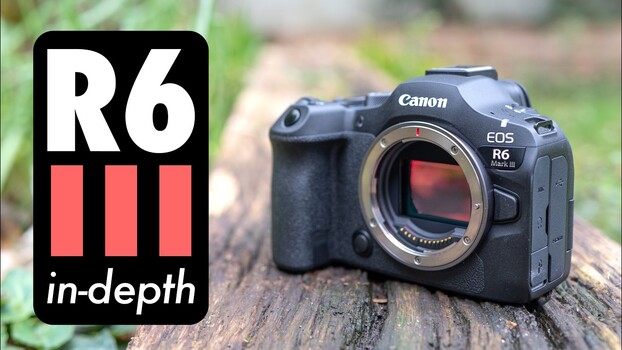
Gordon Laing conducted a side-by-side performance test of the Canon EOS R6 Mark III and Sony a7 V, evaluating aspects like resolution, noise, dynamic range, rolling shutter, autofocus, and burst performance. The R6 Mark III demonstrated superior bird detection and subject lock in autofocus tests, and offered faster burst shooting with its electronic shutter. However, Canon's RF mount currently restricts third-party autofocus lenses, unlike Sony's broader ecosystem. The R6 Mark III also drops to 12-bit raw with its electronic shutter, while the a7 V maintains 14-bit.
Canon R6 Mark III excels in autofocus for distant subjects and subject lock compared to Sony a7 V.
R6 Mark III offers faster burst shooting (40fps vs 30fps) with its electronic shutter.
Sony a7 V benefits from a wider range of third-party autofocus lenses.
R6 Mark III uses 12-bit raw with electronic shutter, while a7 V maintains 14-bit.