SUMMARY
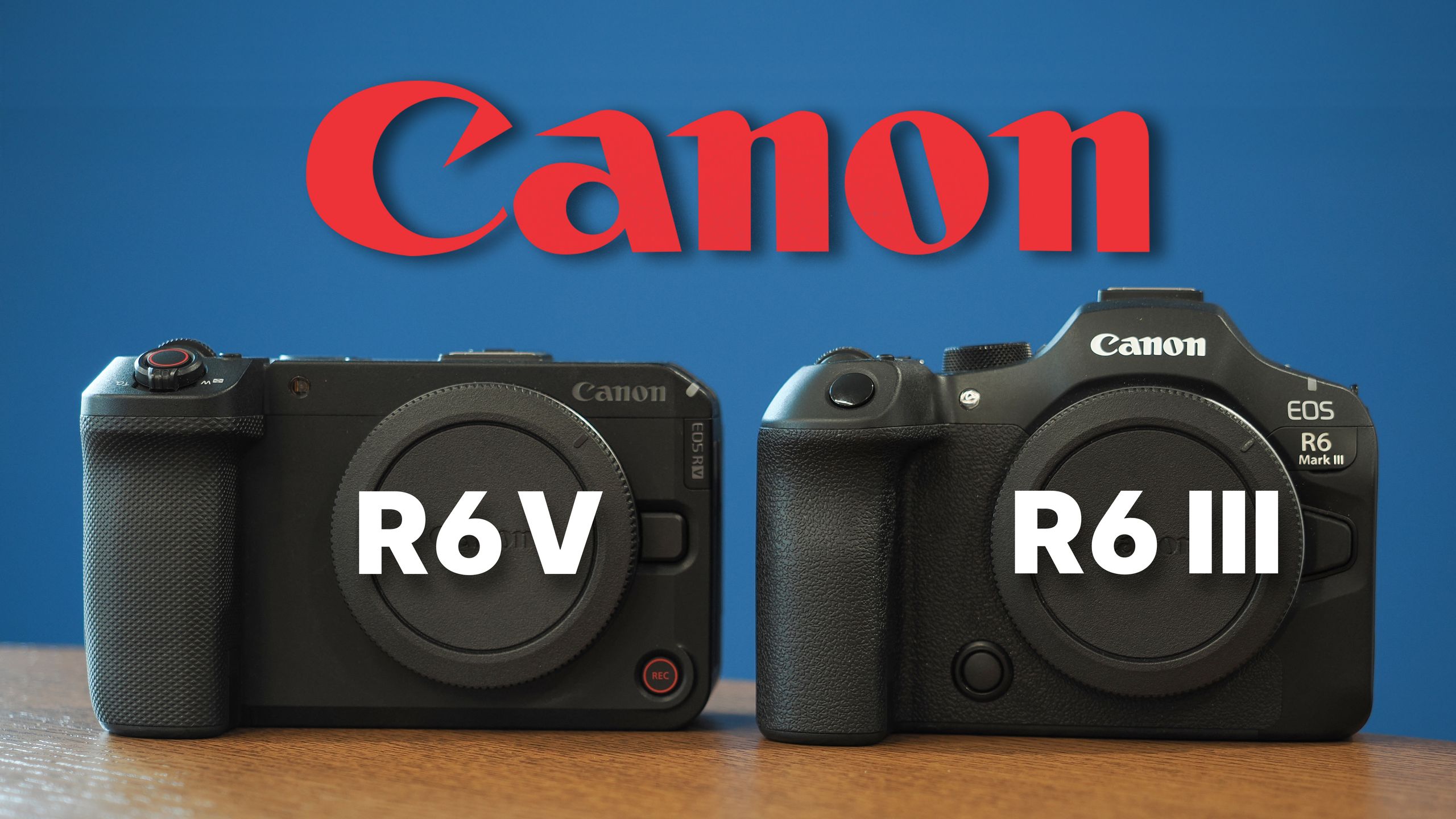
Canon's R6 series has become complicated with the introduction of the R6 V and R6 Mark III, which share many core specifications like their 32.5MP sensor and 40fps burst shooting. However, key differences lie in their physical design and features. The R6 Mark III is engineered as a stills-first camera with a mechanical shutter, electronic viewfinder, and superior IBIS, making it better for photography. Conversely, the R6 V is geared towards videography with active cooling for extended recording, vertical shooting optimization, and video-centric controls, though it lacks a mechanical shutter and EVF, potentially causing rolling shutter issues for stills.
TAKEAWAYS
Both Canon EOS R6 V and R6 Mark III feature a 32.5MP sensor and 40fps burst shooting.
The R6 Mark III is superior for photography due to its mechanical shutter, EVF, and better IBIS.
The R6 V excels in videography with active cooling for longer recording times and vertical shooting features.
The R6 V lacks a mechanical shutter and EVF, which can lead to rolling shutter effects and limits shooting to the rear screen.