SUMMARY
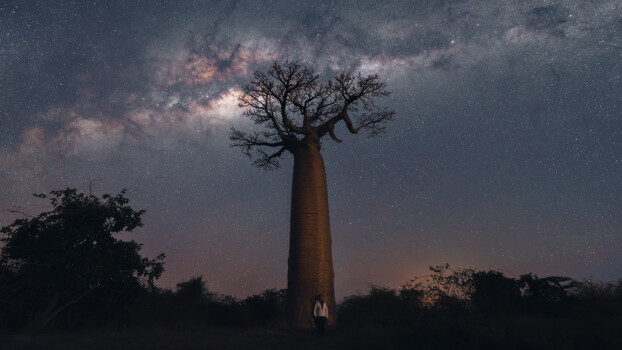
This guide provides practical advice for capturing the Milky Way, emphasizing the importance of planning an escape from light pollution and timing your shoot for optimal visibility of the Galactic Core. It details necessary gear, including cameras with good high ISO performance and wide-aperture lenses, along with essential accessories like tripods and headlamps. The article also covers crucial techniques for achieving sharp focus, both on foreground elements and stars, and outlines recommended camera settings such as wide apertures, high ISO, appropriate shutter speeds calculated by the NPF rule, and manual white balance.
TAKEAWAYS
Plan your location away from city lights and time your shoot using apps like PhotoPills for peak Milky Way visibility.
Use a camera with good high ISO performance and a wide-aperture lens (f/2.8 or wider) for night photography.
Achieve sharp focus by shooting in manual mode and using techniques like hyperfocal distance or focusing on bright stars.
Set your camera with a wide aperture, high ISO (1600-6400), a shutter speed calculated by the NPF rule, and a manual white balance (around 4,900 Kelvin).